
We Have Always Been Like This
A supplemental addendum? Don't mind if I do!
Before we move onto the next chapter, I wanted to add some supplemental details on Great-Grandpa Carl Eidenschinkand his parents/my great-great grandparents John & Thresea.
On Sunday I grabbed a few reference materials, including my Time-Life This Fabulous Century book series (we used to have these in the Red Wing school libraries when I was growing up and I would sit in the library and devour them one by one) and started digging into the 1870-1900 and 1910-1920 volumes, hoping to find something I could share that relates to the immigrant/pioneering and the WWI-fighting ancestors that I’ve already written about. In particular, I was hoping to see if I could find anything particularly interesting about WWI that could answer some questions about Great-Grandpa Carl’s late-seeming enlistment.
And sure enough, after doing some digging, I made an interesting discovery…and it is that I am very dumb when it comes to military stuff.
I realized that, when I took another look at Great-Grandpa Carl’s Registration card, it showed that Carl had actually registered for the first draft, which opened on June 5, 1917. He just wasn’t called up to enlist until October 21, 1918. This might have something to do with his classification, which I can find out more about by following the advice listed here, but also, who cares!! We can just assume that the Army was all, “thanks for the boost, fam, but we’re just aura farming at this point” and then didn’t think about him again until the last, massive push for men in September 1918.
But also, I think the below pages also reconfirm that, much like how we’ve come to believe a bunch of myths about the Medieval times thanks to movies stubbornly portraying peasants as drab, dirty, dum-dums who only wore plain colors (when it fact personal hygiene and bright colors were a thing since the Roman times…even “common” people didn’t just suddenly forget how to take baths or dye clothes with berry juice), the idea that men rushed in droves out to enlist in the first world war is most likely a romanticized notion that’s been rewritten as fact by Hollywood (and likely encouraged by the military).
Like, I feel like every single movie I’ve seen that’s set around or includes WWI contains scenes of young men eagerly talking about the chance to become battlefield heroes like their fathers and grandfathers, and then when it’s announced that the US is going to the front, they’re all whooping and throwing up their straw hats before sprinting off to the nearest office to enlist.
But in doing a bunch more reading, it sounds like that’s could be mostly a modern-day assumption, likely taken from documented stories about men good-naturedly tussling each other to be the first to sign up for the Civil War. Most of the material I read, including the pages below, point out the reluctance of Americans to support or sign up for a war, especially immigrants west of the Mississippi, who tended to favor the position of isolationist than war hawk.
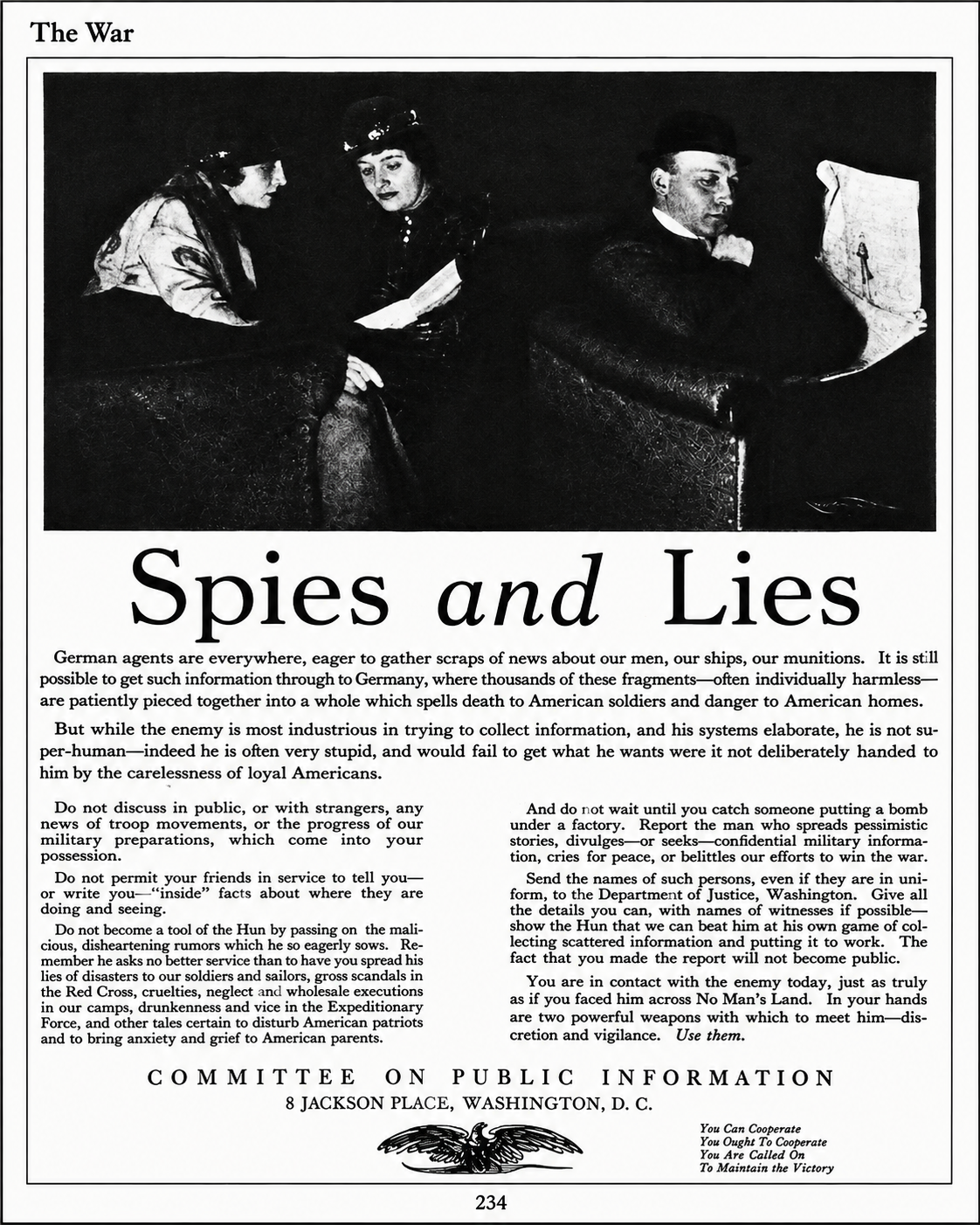
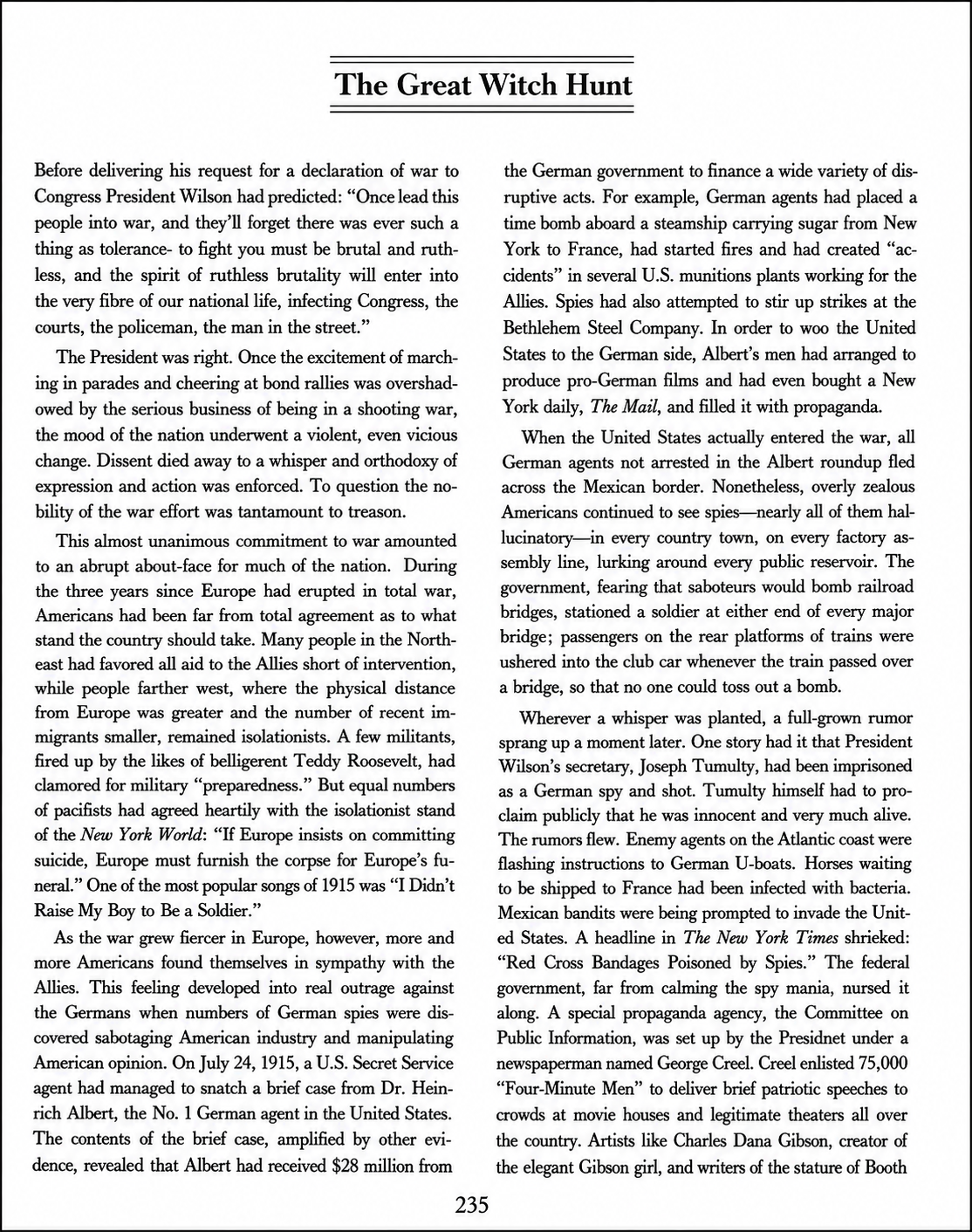
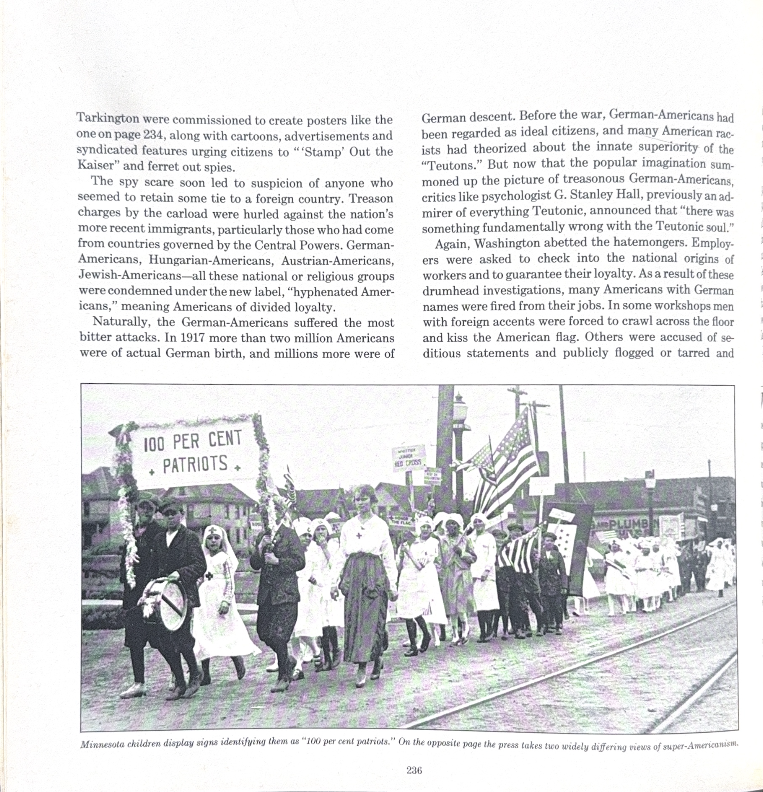
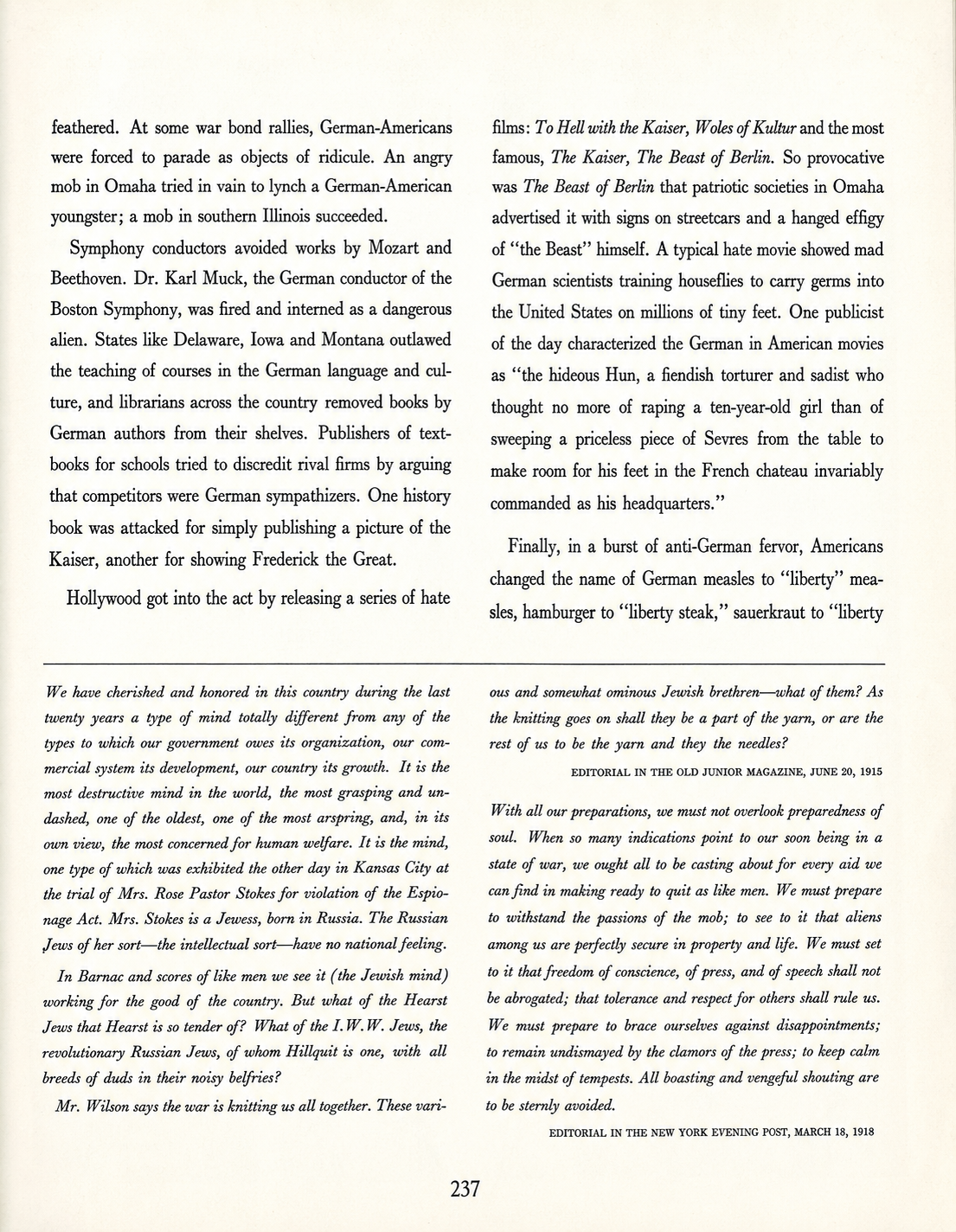
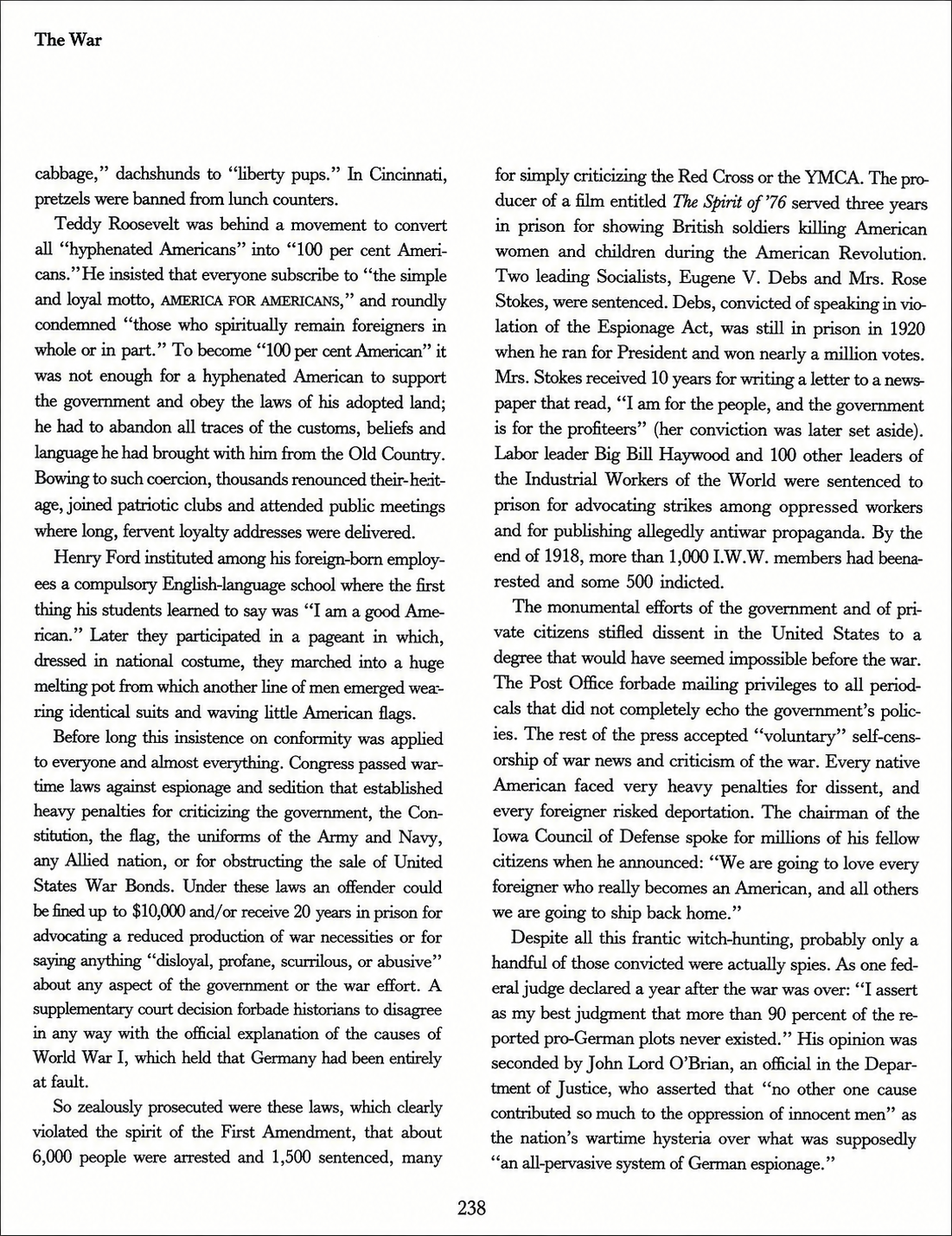
When I read the pages above, I remembered learning in Social Studies about how German-Americans (and other “hyphen Americans”) were harassed and abused by both the government and their neighbors during WWI. I had either forgotten or hadn’t realized the dorky facts about how we changed all the names of German foods to things like “liberty steaks”, or that we arrested anyone who citizen the government or the war effort. “Oh, okay, so we’ve always been this violent and stupid,” I found myself mumbling, as I read on. I don’t know if that’s…comforting, to realize that we’ve been here before and things managed to get better, or if it’s more depressing because it likely means that’s just a thing that’s soaked into the fabric of our nation and culture.
I do wonder what the experience was like for German immigrants like my great-great grandparents, who had already been in America for thirty years, and for their children, who were born here. And also for small towns like Detroit and Erie townships, whose populations held large numbers of German immigrants. Did that help shield them from in-person discrimination, even if the newspapers blared anti-German or Hyphenated American rhetoric and propaganda? Or did people hear their extremely German-sounding last name and not care?
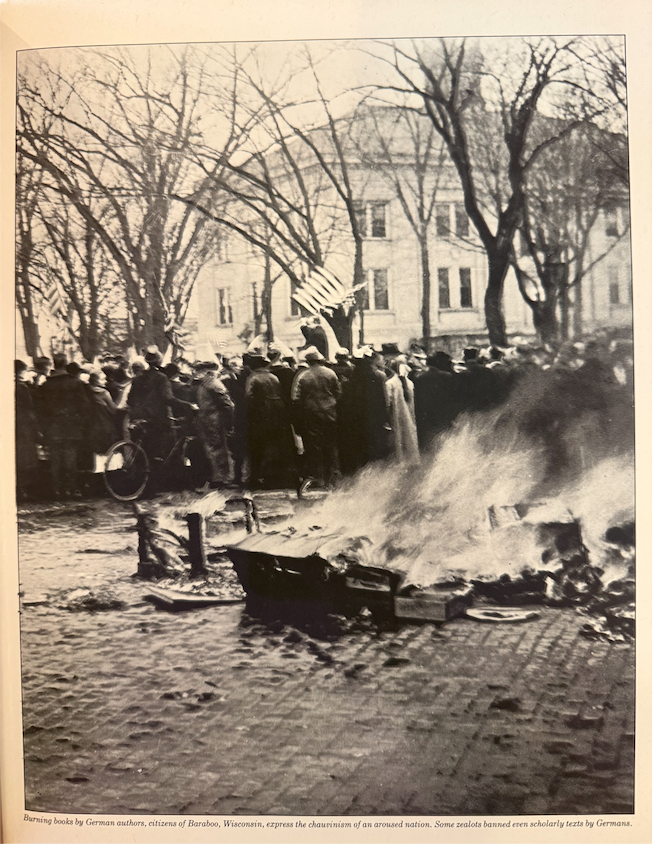
And why the FUCK do we always find new ways to make different people in this country live in discomfort and terror, for things they literally can never change about themselves? The generations-spanning damage that has been done to people of this country in the name of “assimilation”…in the words of Danny McBride in literally anything he’s ever done, “I’m sick of this shit!”
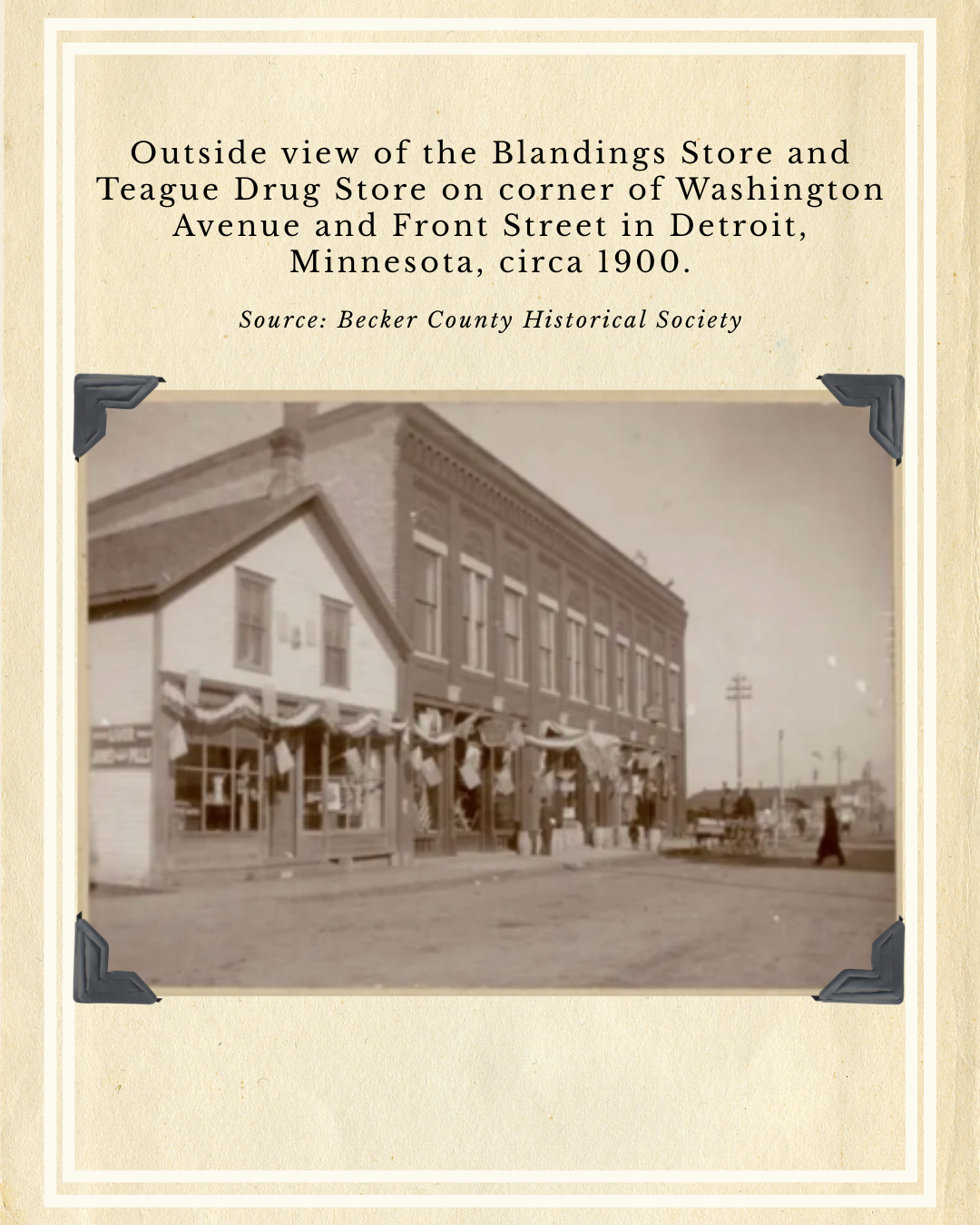
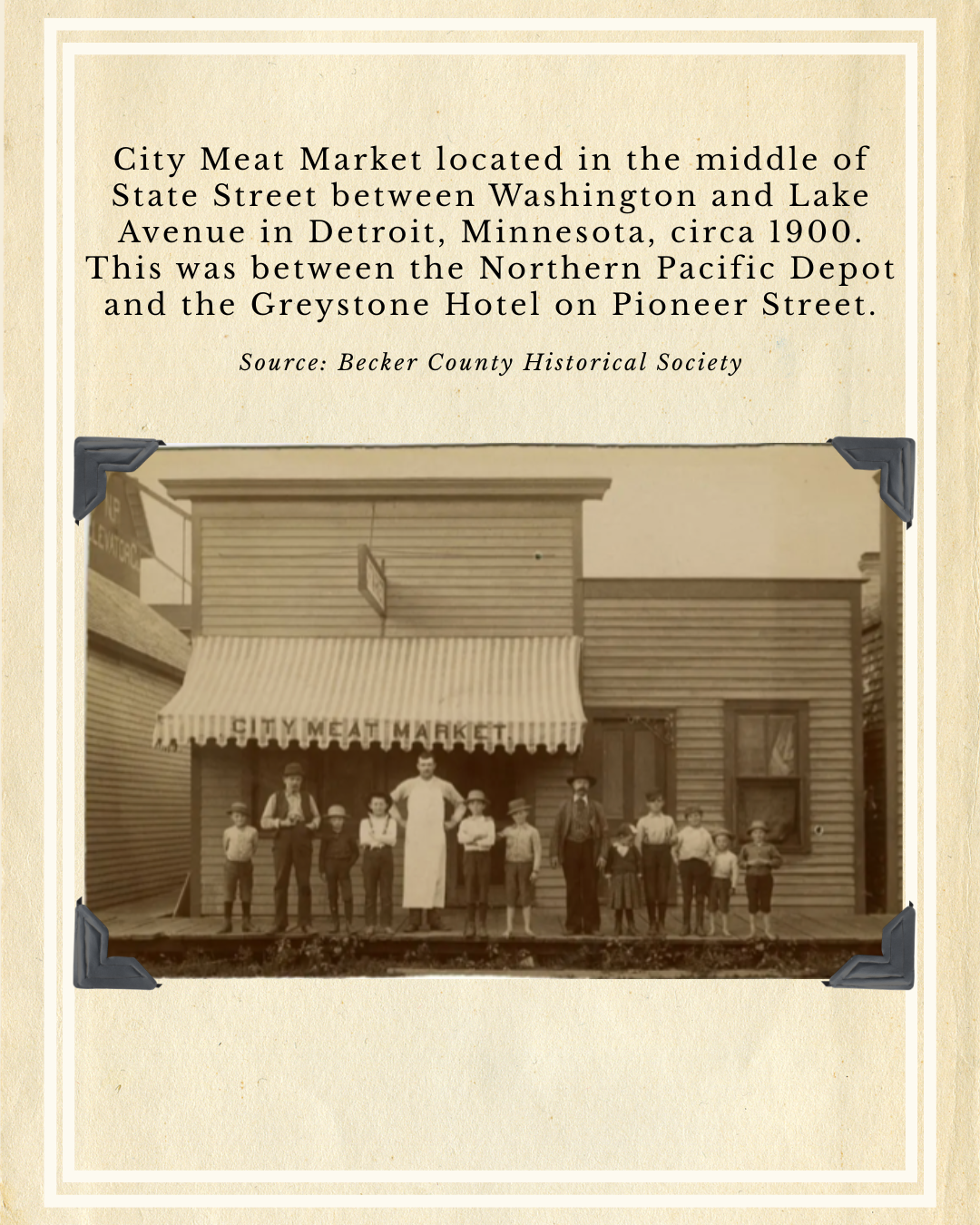
Because we don’t want to add on that note, here’s some great photographs I found of what the Detroit township area looked like around the time that Carl would have been growing up:
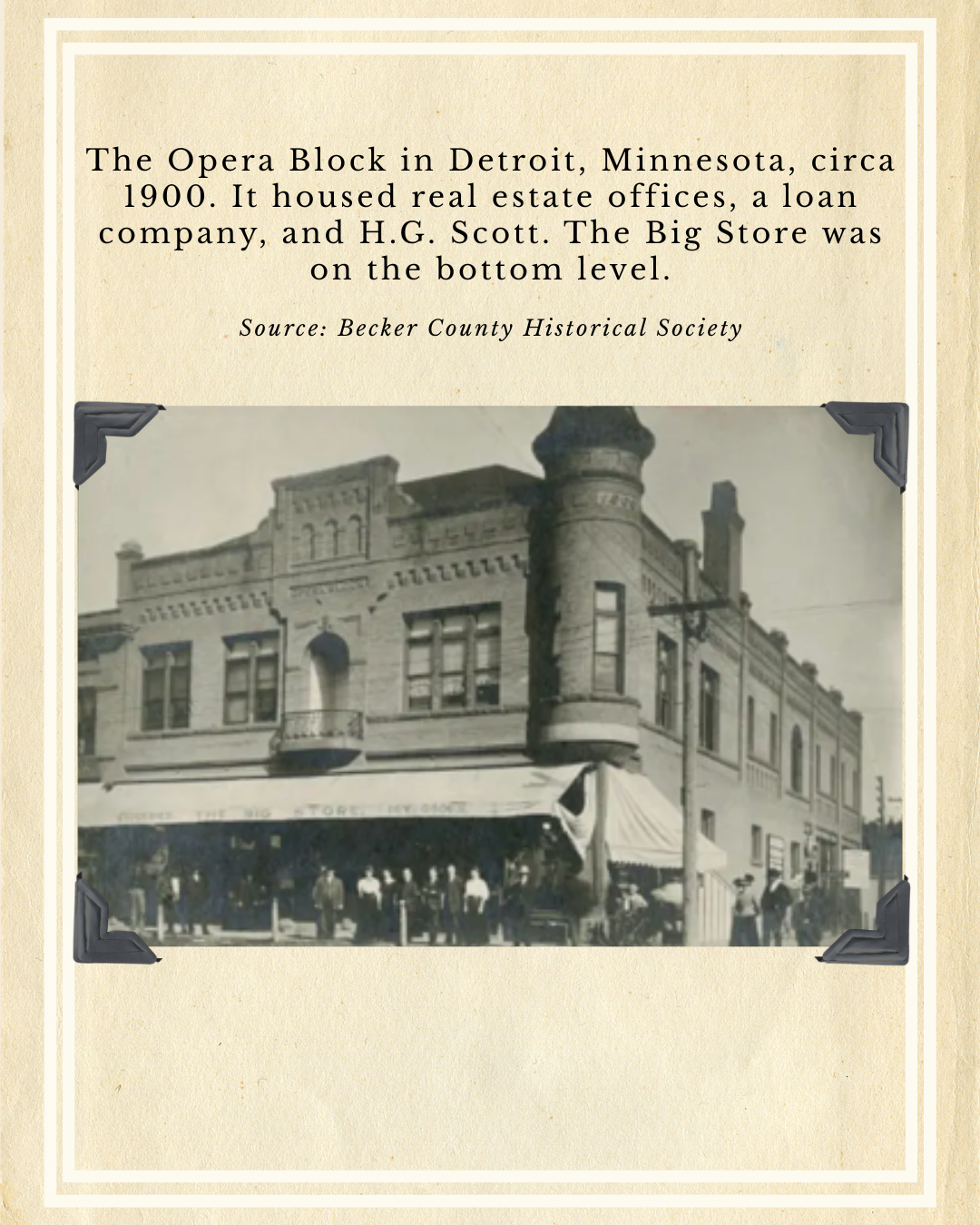
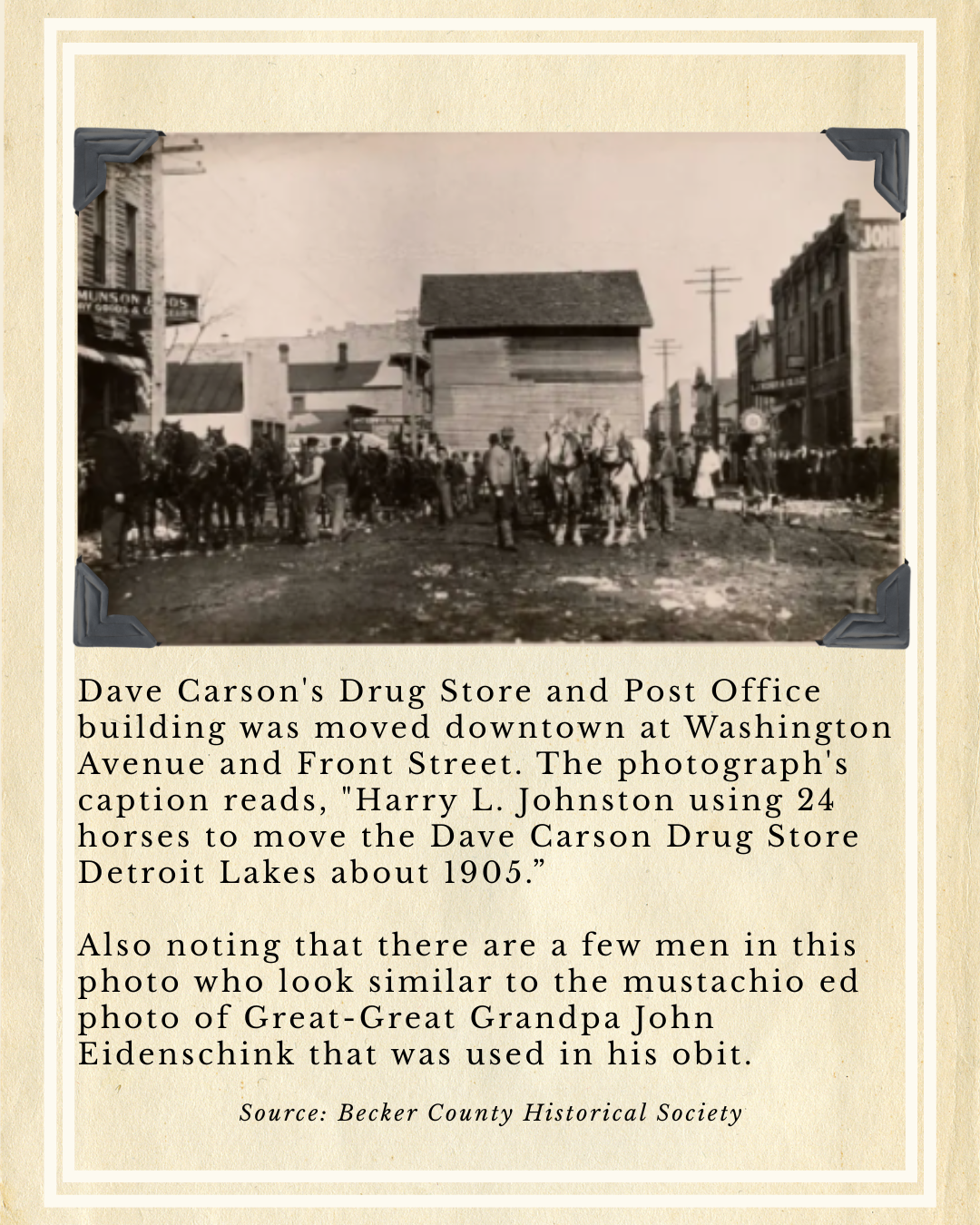
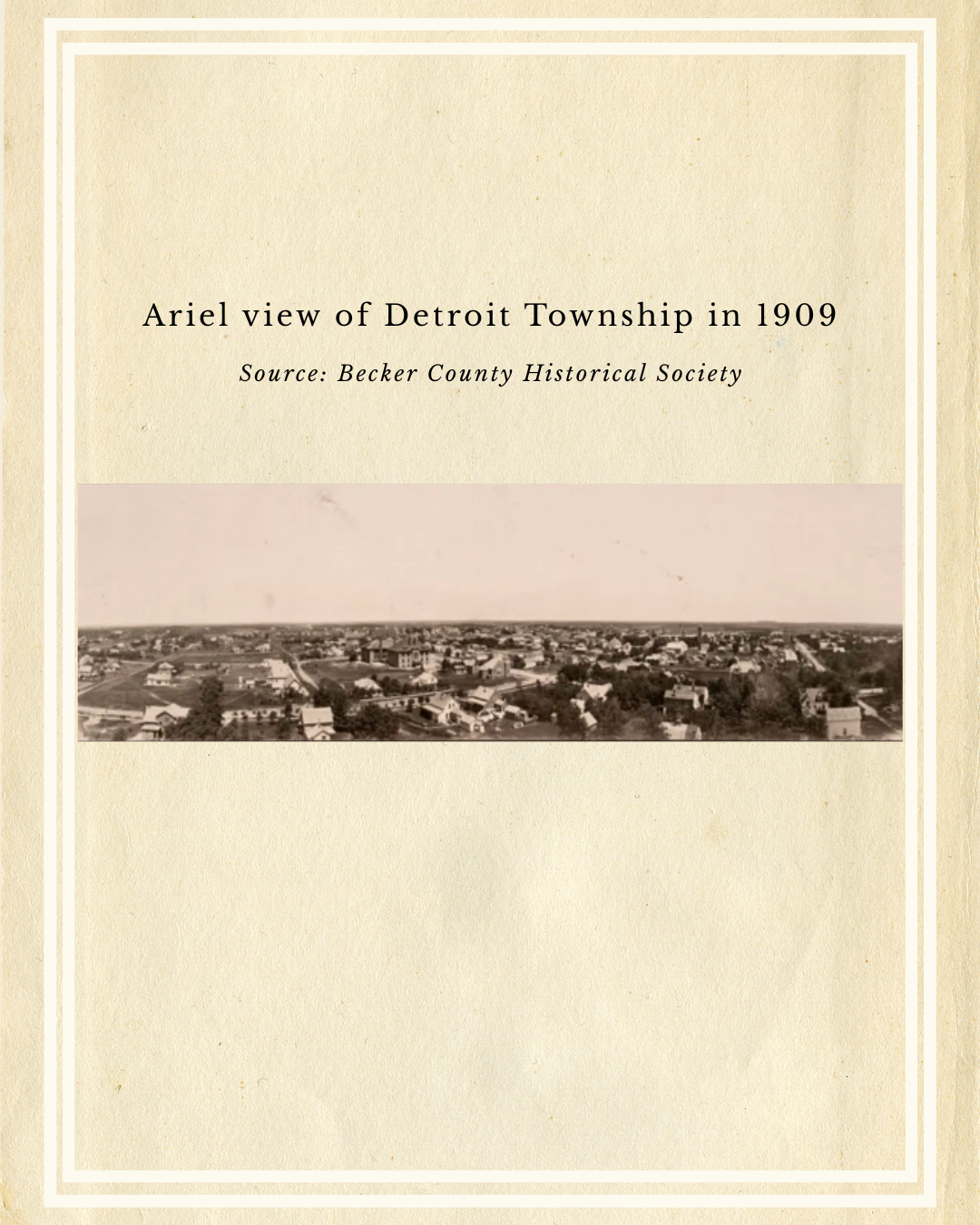
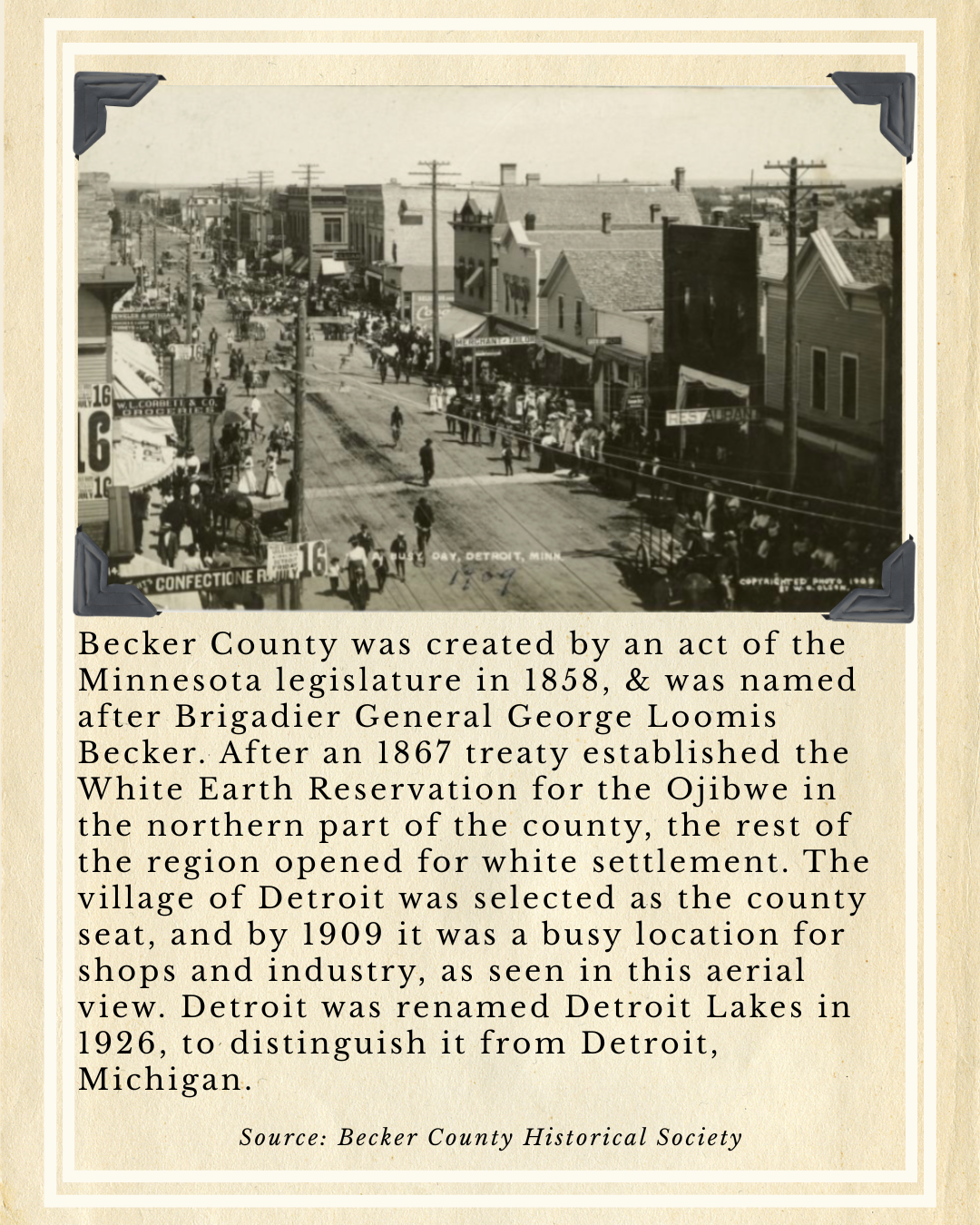
Next time we’ll look at the history of settling Detroit and Erie townships, as well as what that area largely looked like back when Great-Great Grandparents John and Theresa Eidenschink first arrived in MN.
Auf wiedersehen!
-Amber