
Just the Twelve of Us
Now that we’ve wrapped up the Eidenschinks, let’s go back to my great-grandparents Carl and Clara and start journeying down the path of Clara Nellie French’s ancestry.
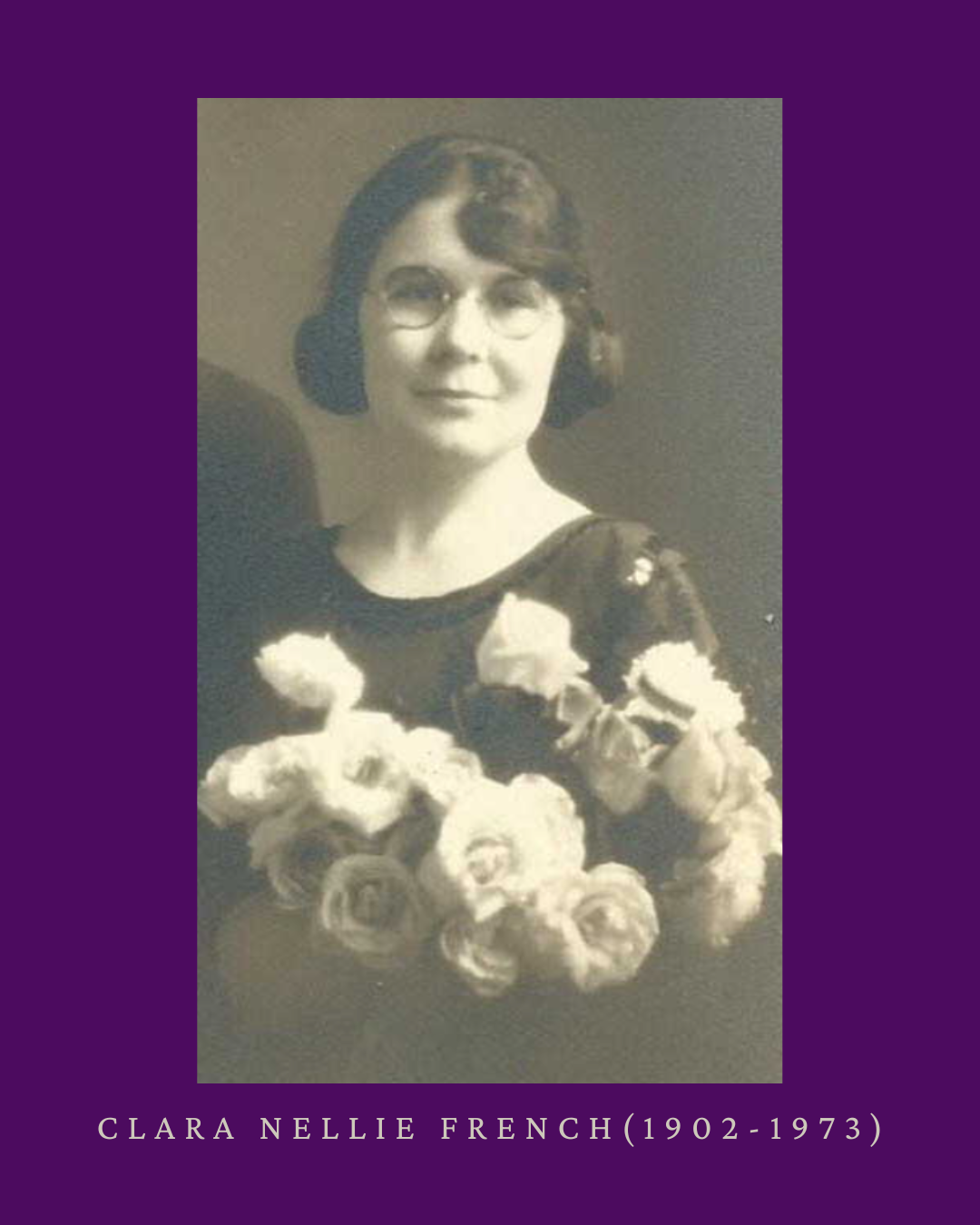
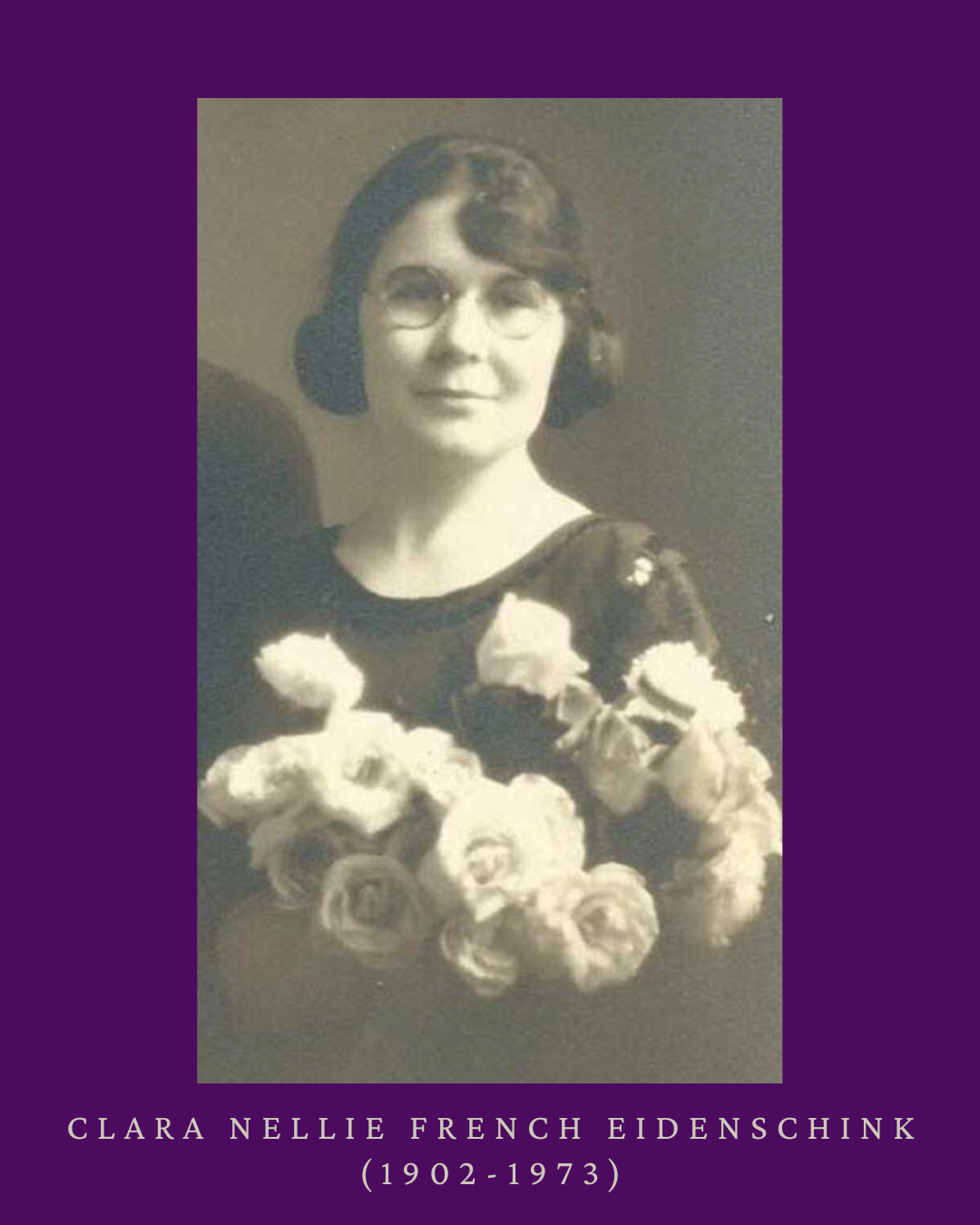
Also, as a side note, I always struggle on whether or not to account for the women in my ancestry by their maiden or their married name. I’m personally partial to the maiden name, which also makes it easier to remember who oringally belongs to which branch of family. But since the married surname also technically becomes their legal name, sometimes I give into the patriarchy of it all and label it thusly. But until we get to the part where she actually gets married, I’ll be referring to Clara by her maiden name. Clara Nellie French was born in on May 20, 1902, in Detroit Lakes, MN, to my great-great-grandparents Corporal John Osbourne French Sr. and Mary Ann Vizenor Barrell French.
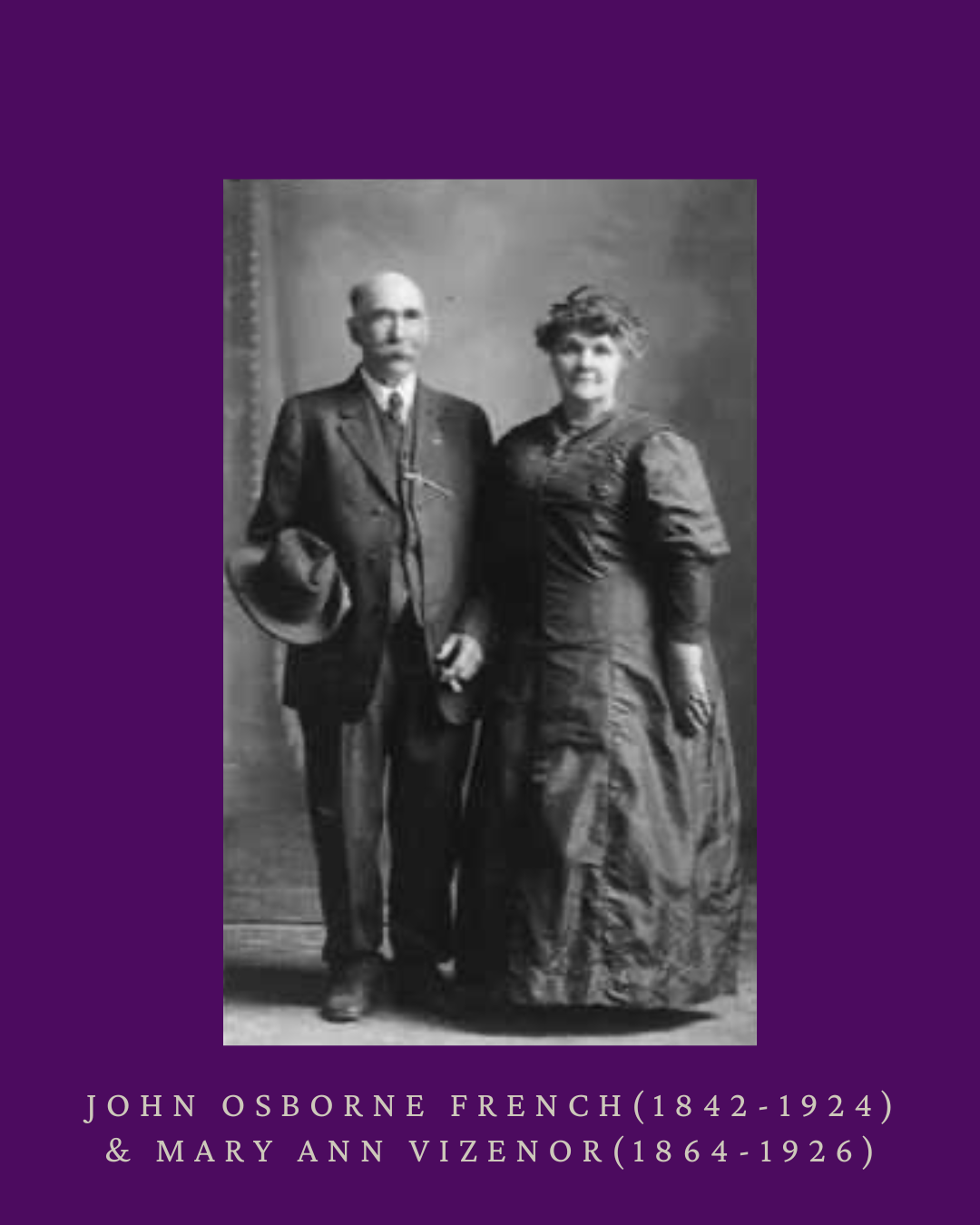
Just wait’ll we get to these two!!
Clara was the youngest daughter of twelve children, ten of whom lived to see adulthood:
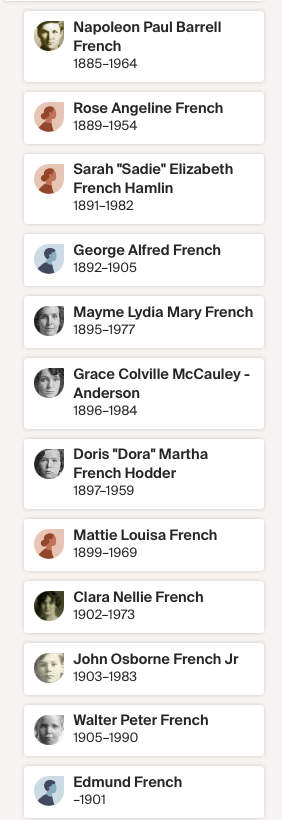
(Note: Napoleon was Clara’s half-brother from Mary’s first marriage to Paul Burrell.
Also note Grace’s middle name - her father/my great-great grandfather John served under Colville during the Civil War, and fought with him at Gettysburg. Rose’s middle name Angeline is the name of Mary’s grandmother. Edmund is John Sr.’s father’s name, while Dora’s middle name, Martha, was John Sr.’s mother’s name. Mayme’s middle name, Lydia, is the name of John’s grandmother.)
Since we really don’t have a ton to go on when it comes to Clara’s life, and also because Clara was literally born at the very beginning of the Edwardian era - she was born in May of 1902; the coronation of Edward VII and Alexandra took place in August of 1902 - which has always been one of my FAVORITE eras (albeit more for the Anne of Green Gables, Gibson Girl, The Little Princess, and Titanic vibes than for the working class MN farmer vibes), I’m going to instead add a little “this is the world she was born into + grew up in” color.
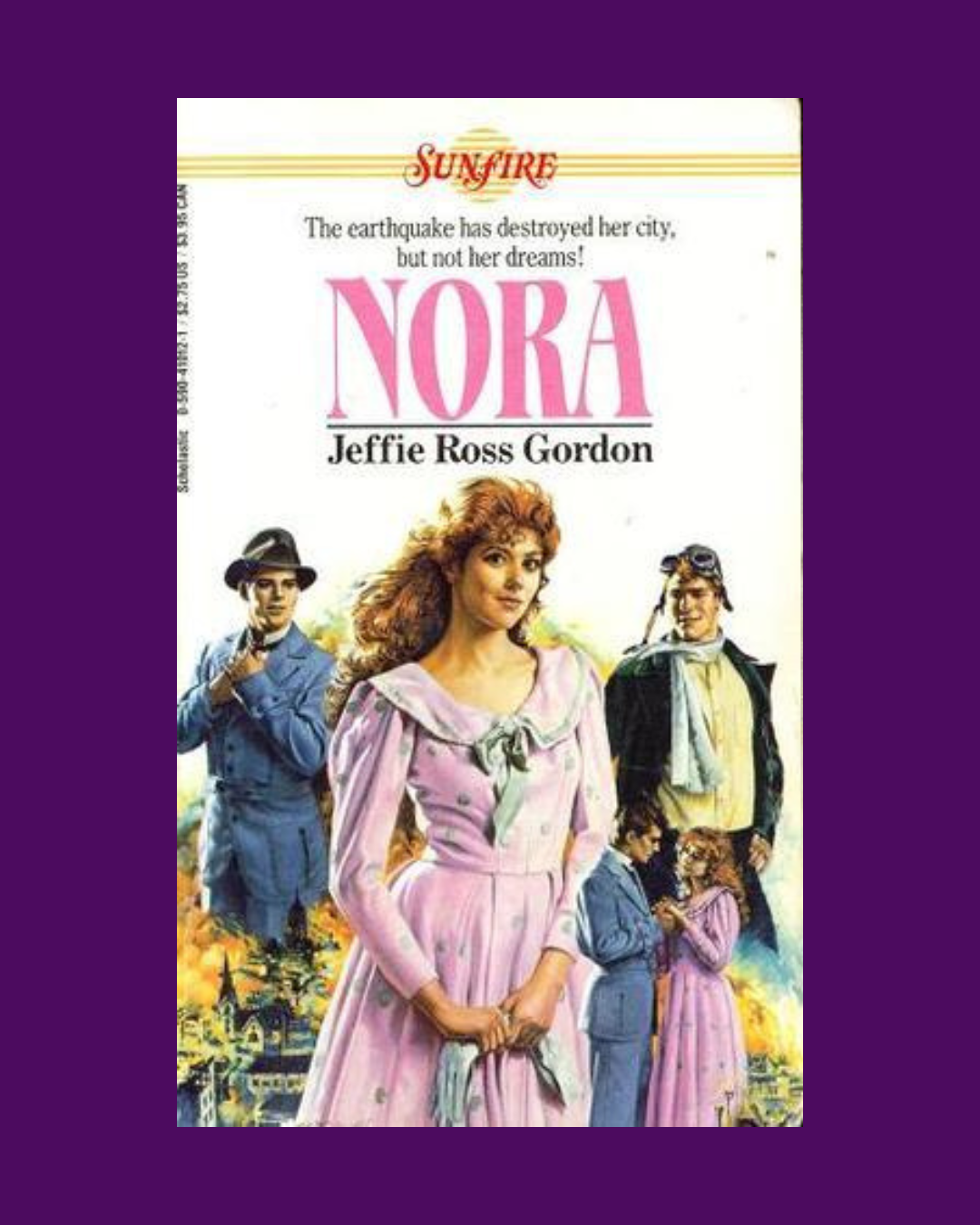
This will include covers of pertinent Sunfire historical romance YA novels from the ‘80s, which, along with dramatic TV mini-series like Ellis Island, is how I learned about most historical events in the first place!
Clara was born at the height of the Gilded Age -
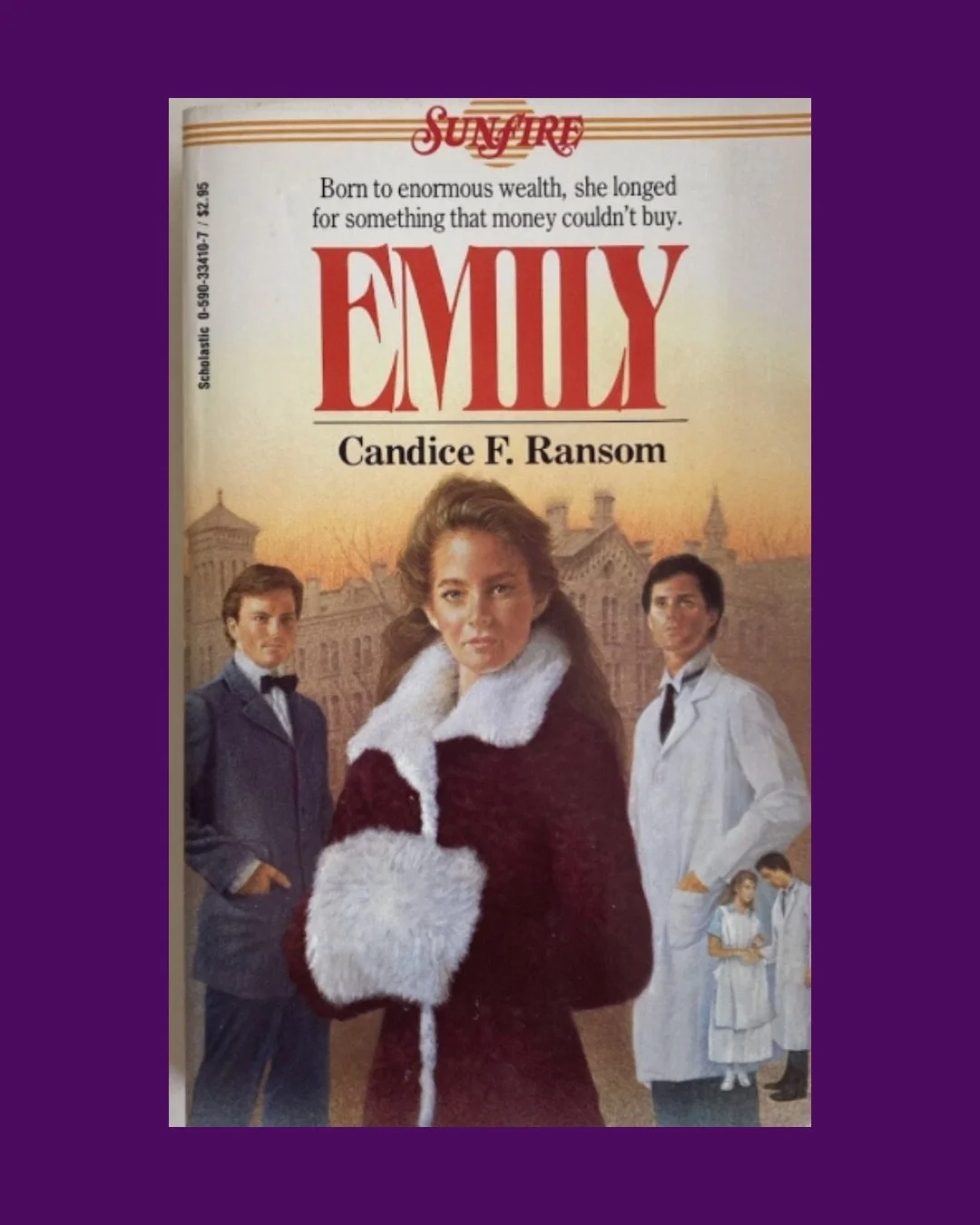
…and right as the first J.C. Penny store AND the first US movie theater was opening (with “A Trip to the Moon”, the iconic silent film by George Méliès, released that same year); Tyrannosaurus Rex fossils were being discovered in Montana by Barnum Brown; and Theodore Roosevelt became the first U.S. President to ride in an automobile.
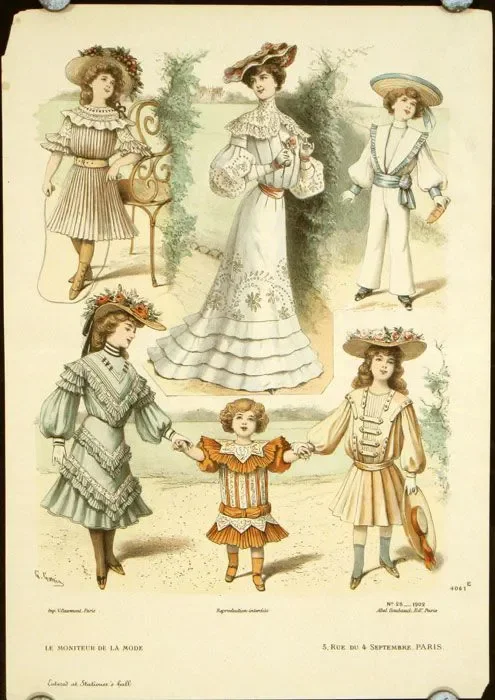
September 1902 Paris fashions
In 1903, The Wright Brothers achieve their first powered flight in Kitty Hawk, North Carolina; in 1904, Teddy Roosevelt is elected to a full term.
Also, just in terms that my generation can perfectly understand, 1904 is when we meet Samantha, my favorite American Girl Doll character:
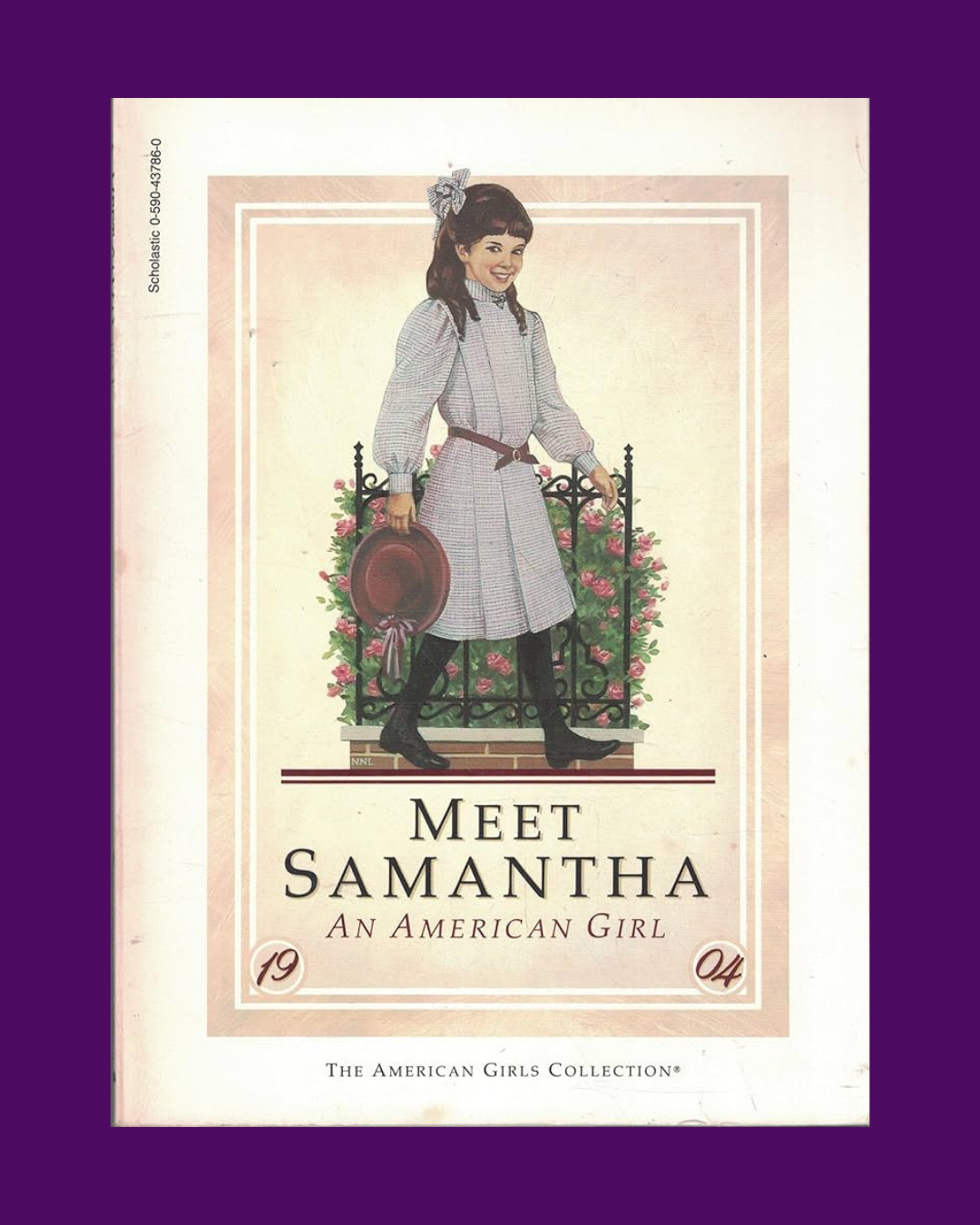
Get accustomed to the American Girl Doll language, because it’s gonna come up a LOT when we get to my Mom’s ancestry side of things
“Bloody Sunday” in St. Petersburg triggers the 1905 Russian Revolution, and in that same year Einstein publishes his theory of relativity. Edith Wharton also publishes The House of Mirth, pioneering social realism in America.
The San Francisco Earthquake of 1906 takes over the news -
…and Upton Sinclair’s The Jungle captures America’s attention and becomes directly responsible for the passage of the Pure Food and Drug Act and Meat Inspection Act.
Around this time we also have a family portrait of the French family:
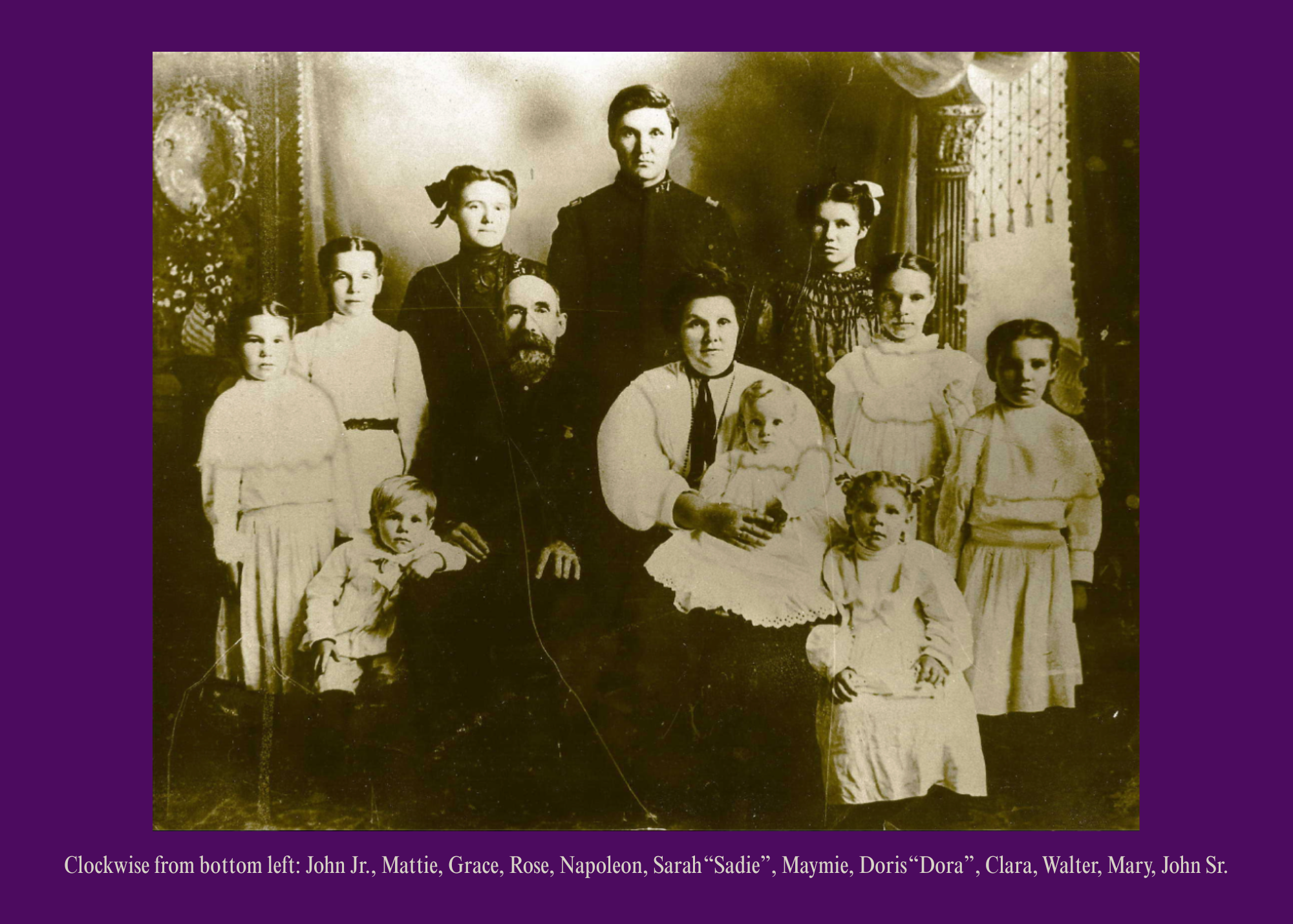
This photograph appears to have been taken after the death of Clara’s siblings George and Edmund, probably sometime around 1906 or 1907. I still cannot get over the fact that that Mary carried and birthed TWELVE BABIES - and with Mayme, Grace, and Dora literally back to back.
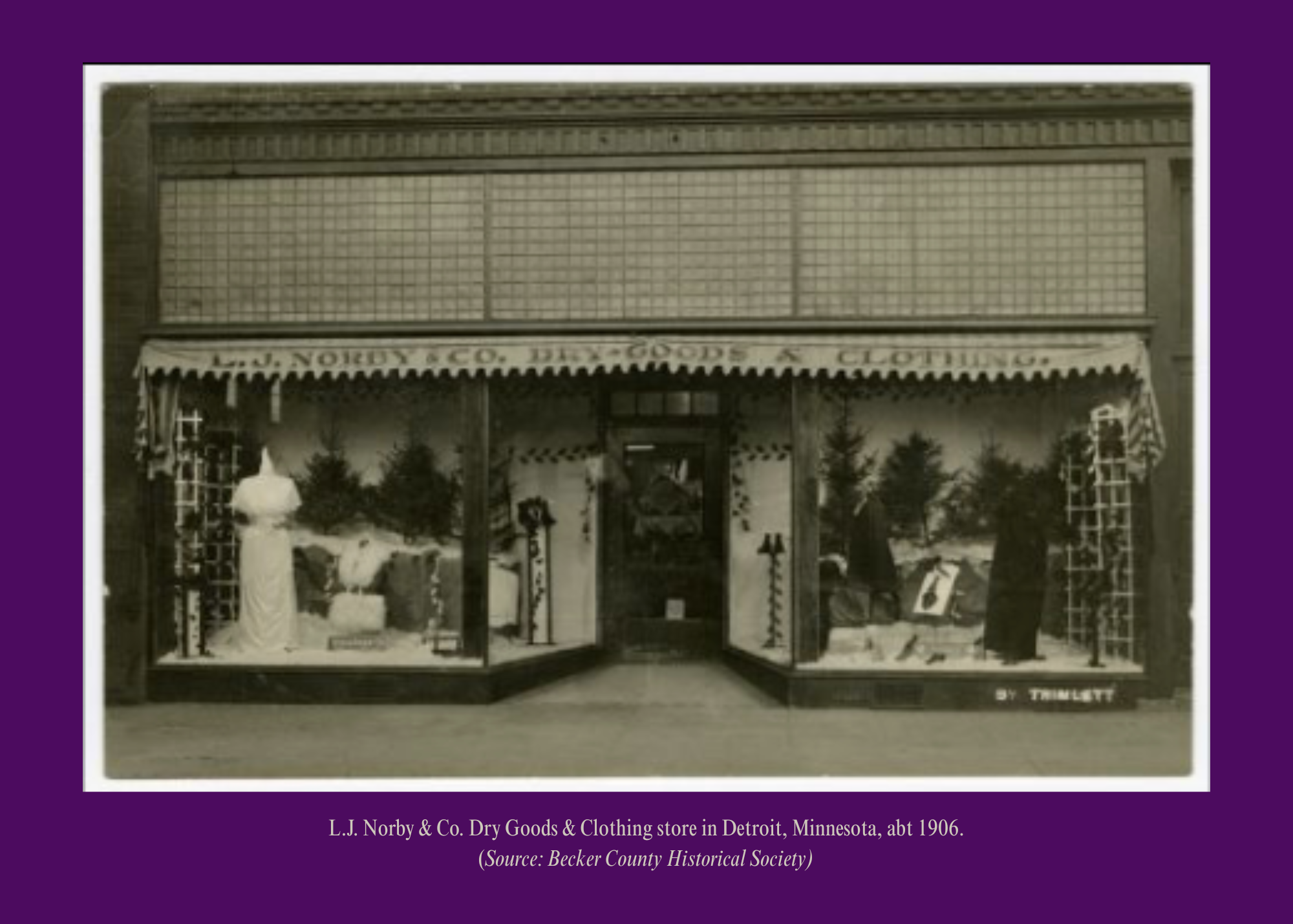
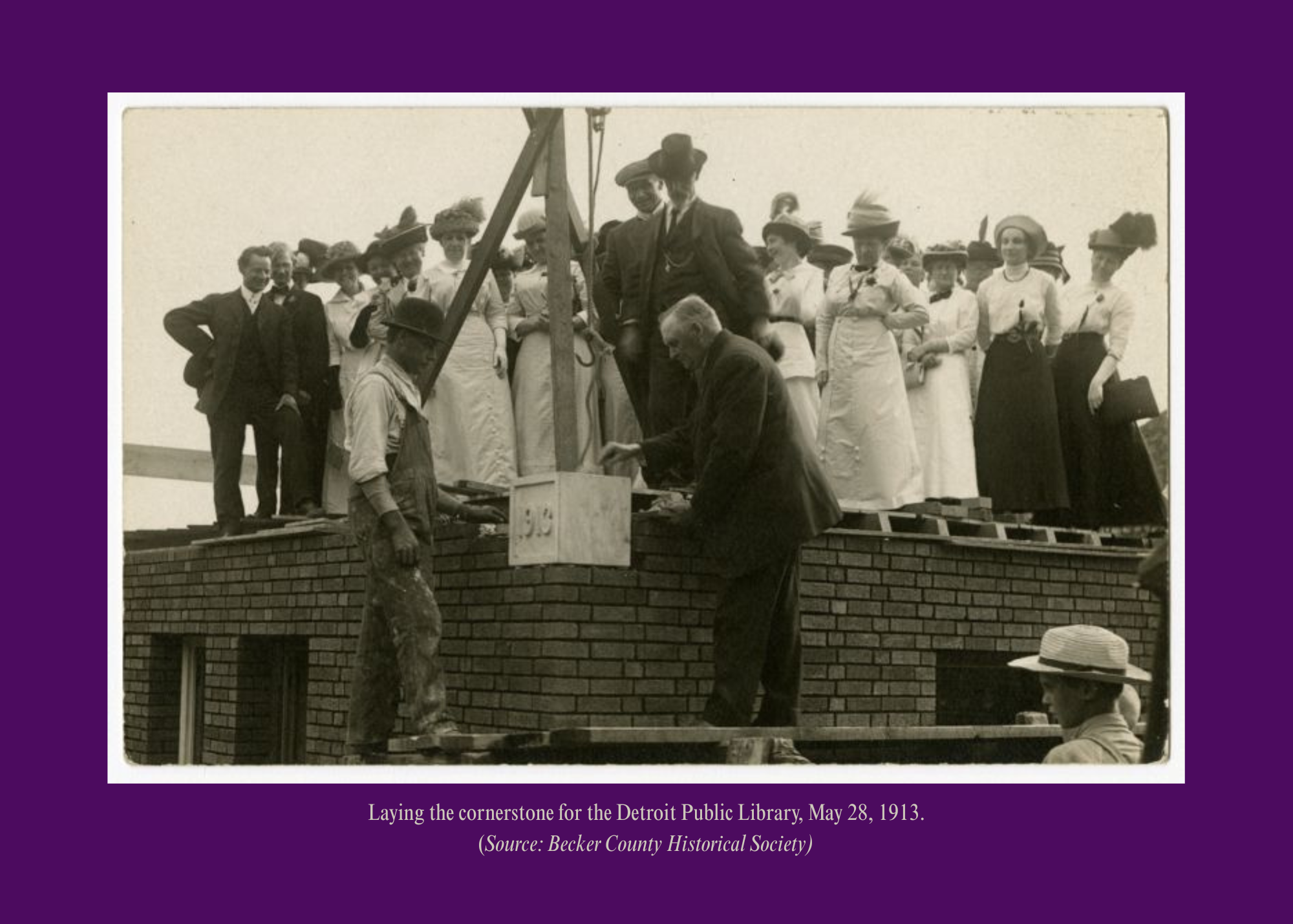
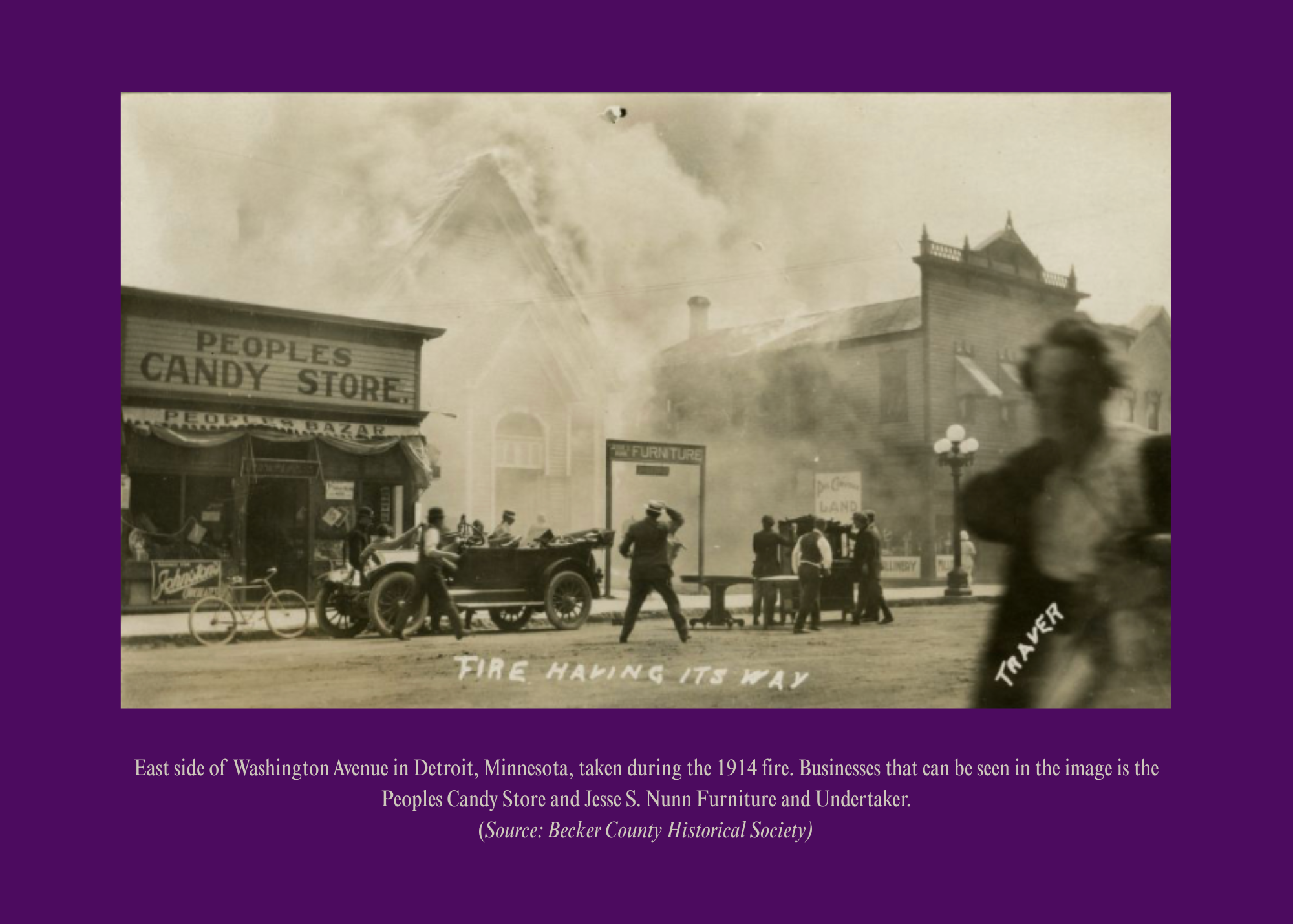
Clara’s mother & my great-great grandmother Mary (and Clara’s future mother-in-law and my other great-great grandmother Theresa) would have almost certainly bought fabric and other goods at the store above.
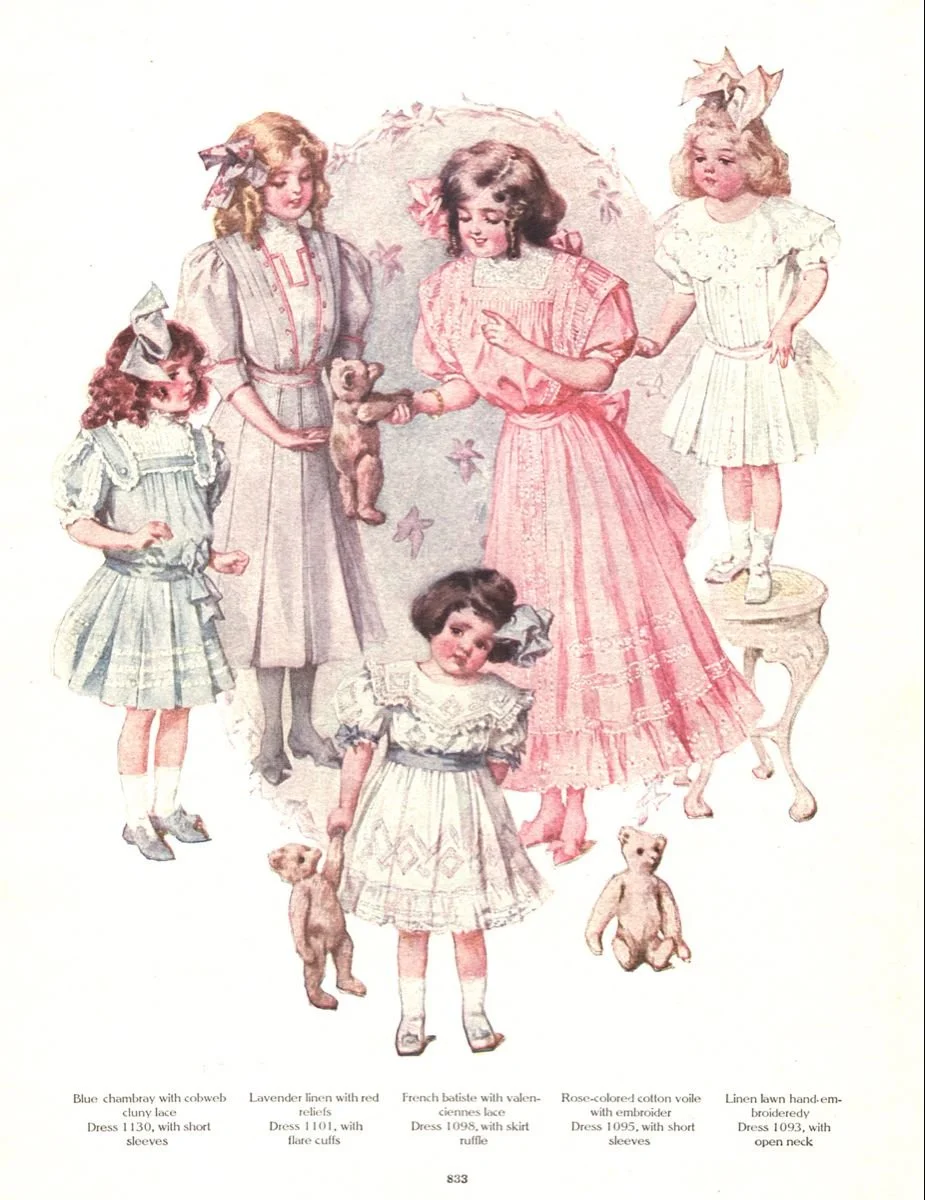
The Delineator fashions for May 1907
The Panic of 1907, or Knickerbocker Trust Company crisis, causes a massive stock market crash and economic depression, prompting J.P. Morgan to organize a banking bailout.
In 1908, Henry Ford introduces the Model T, revolutionizing transportation forever, and the FBI is established. But we don’t care about all that, because ALSO in 1908, the original Anne of Green Gables novel by L.M. Montgomeryispublished by the Page Company of Boston and is an immediate bestseller, selling over 19,000 copies in its first five months.
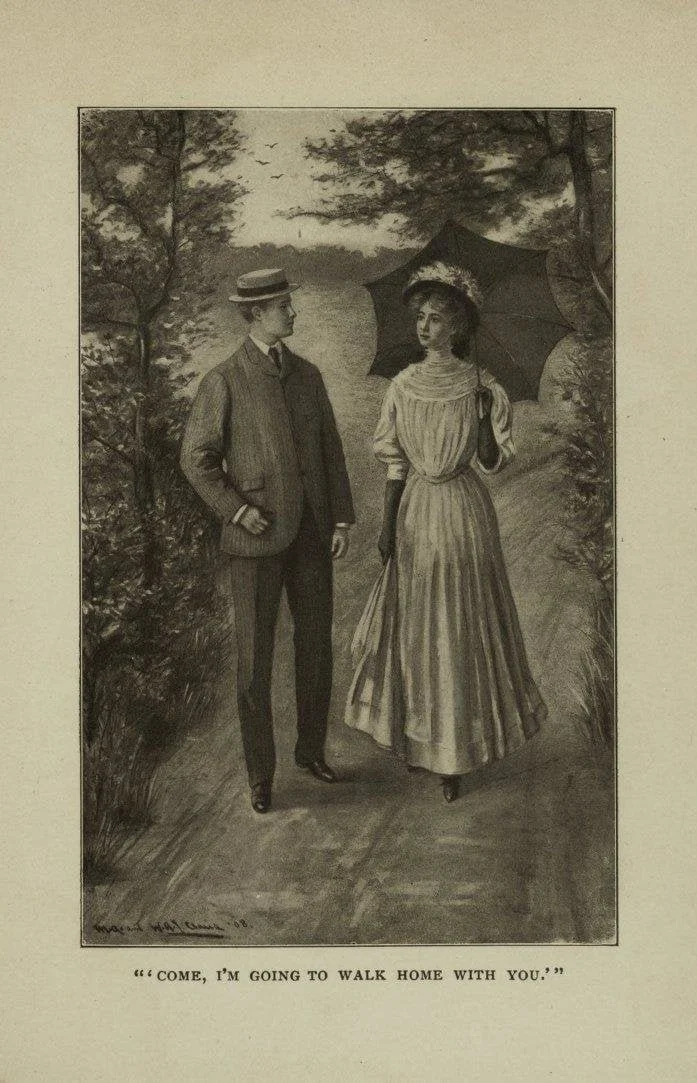
The last illustration from the original 1908 edition of Anne of Green Gables
In 1909, William Howard Taft is inaugurated, and Mary Pickford becomes the world’s first star after she becomes so popular that cinemas start to specifically advertise her films (before this actors often went uncredited because audiences didn’t give a flying f who they were).
The Triangle Shirtwaist Factory fire erupts on March 25, 1911, changing labor laws forever andbecoming a point of fascination for adolescent girls for the rest of the century!

This novel is literally how I learned about The Triangle Shirtwaist Factory Fire
Speaking of points of fascination for adolescent girls - On April 15, 2012, the Titanic sinks, and nothing else - the federalizing of income tax, a new central banking system, or the Panama Canal opening to traffic - is as important as the tragic event that will be immortalized 85 years later in a film starring Kate Winslet, Leo DiCaprio, and Billy Zane AND as the inciting event of Downton Abbey.
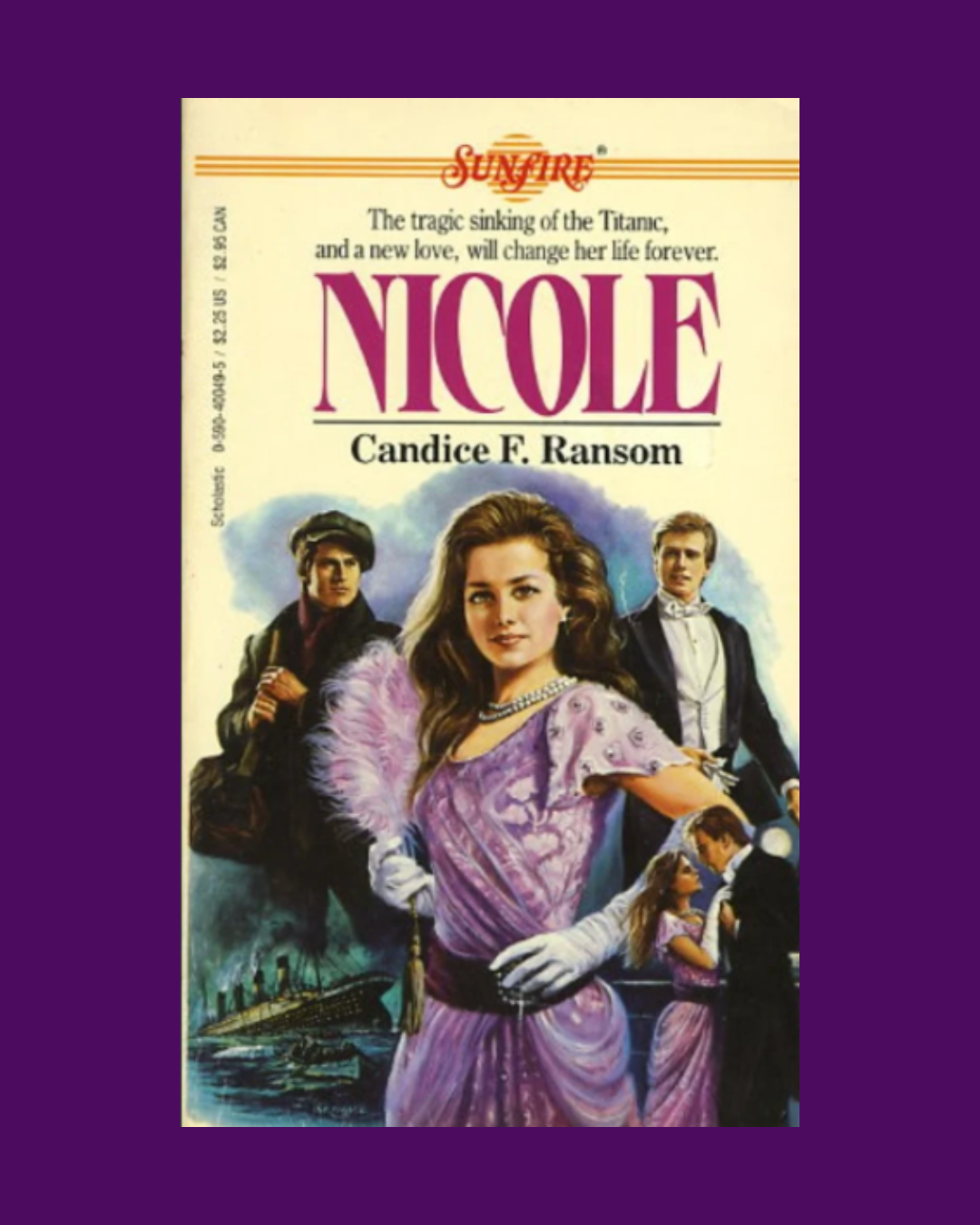
Listen - we’re not saying James Cameron stole the idea for the movie from this book, but we ARE saying that they’re basically the same exact story and it’s a lil’ sus that this came out in 1986 and Cameron didn’t start writing his script until 1995
In 1913 the Women Suffrage Movement has a major protest in DC and the Federal Reserve Act is created.
World War I begins in 1914 after Archduke Franz Ferdinand of Austria-Hungary is assassinated in Sarajevo on June 28, 1914.
My mom pointed out that it’s strange in the below family portrait that the boys are matching each other and so are the five sisters in the middle row, but Dora and Clara are rocking totally different outfits from everyone else. I didn’t even notice until she pointed it out, but now I do wonder if Clara showing up in a wild card outfit was on purpose, like the equivalent of the kids who wore band t-shirts and flannels while the rest of their family dressed up in matching sweaters and shirts when our church did their annual membership family photos. Maybe even back in 1918, kids were all “conformity is stupid, I have wear glasses and my hair looks weird, is God even real? Anyway, I’m wearing what I want!”
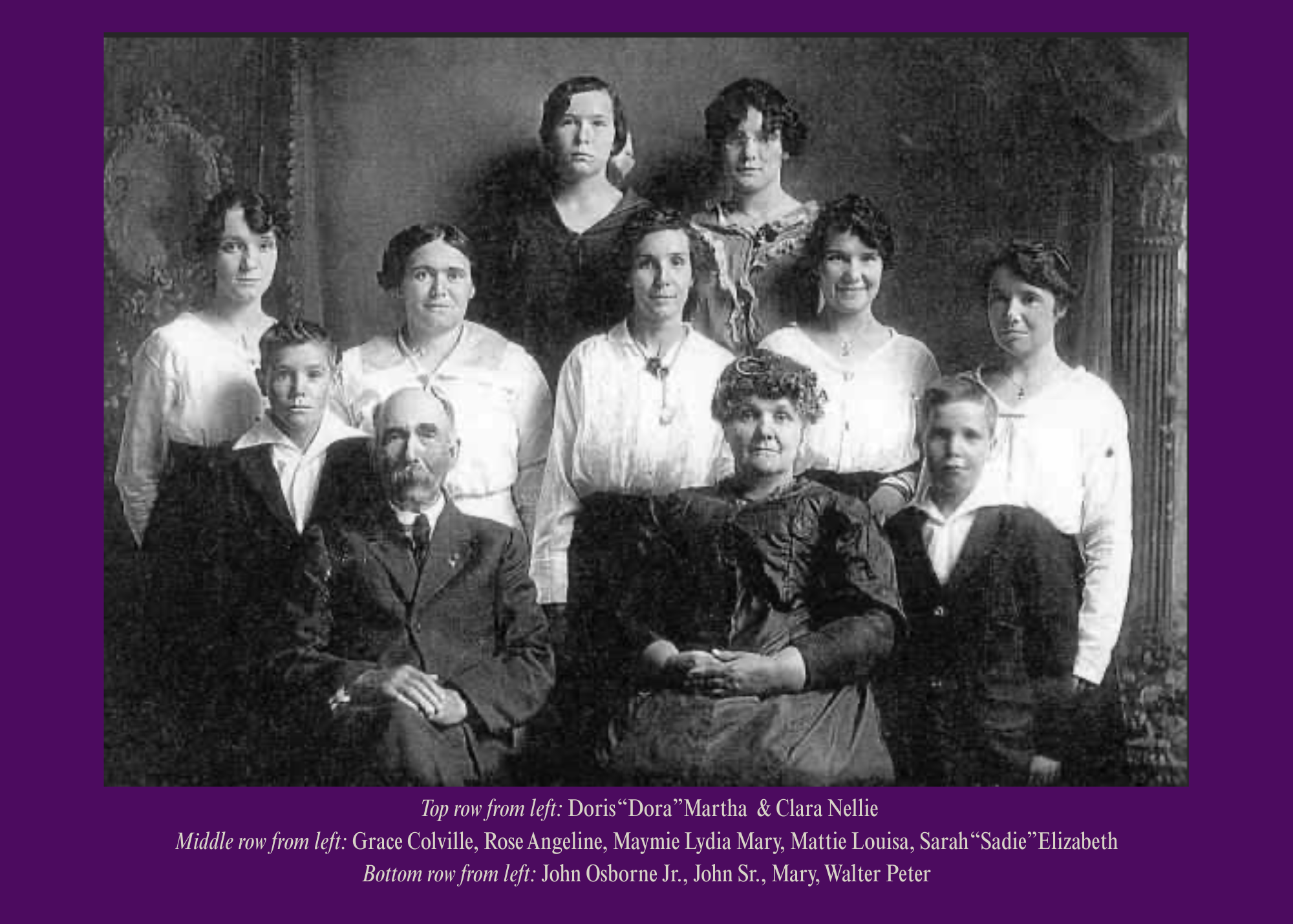
I believe this photo is circa 1914-1916
But also, the two older girls in the photograph of the kids when they were younger are also not wearing matching white dresses, either. So maybe Mary and John were fans of individualism? Or everyone just wore their best and who cared if it matched?!
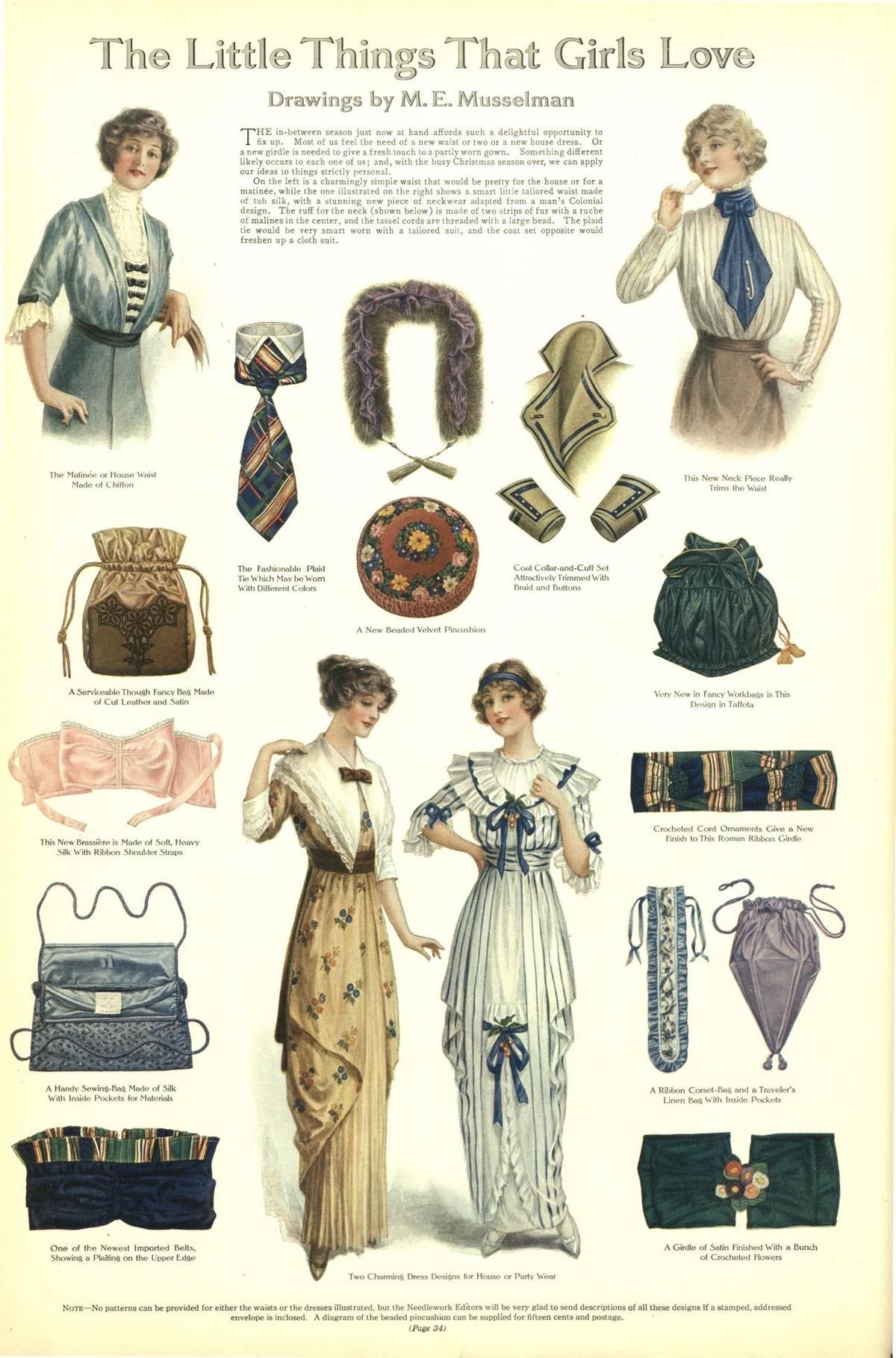
Ladies Home Journal, 1914
Anyway, 1915 ushered in the first transcontinental telephone call, made by Alexander Graham Bell, and the first Hollywood blockbuster, D.W. Griffith’s The Birth of a Nation. Universal Studios also opened, marking the shift to massive studio complexes.
1916 is pretty boring besides Charlie Chaplin becoming a certified star with shorts like The Pawnshop and “America’s Sweetheart” Mary Pickford achieving superstar status as the first actress to secure a million-dollar contract + become the world's highest-paid actress.
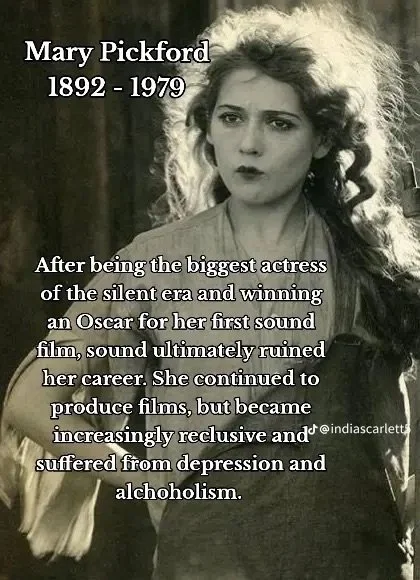
I love this photo because she’s not wearing as much stage makeup here, and so you can actually see just how truly beautiful she was
1917, though, is drama drama drama: The Russian Revolution hits an apex when Czar Nicholas II is forced to abdicate in March (ending 304 years of Imperial Rule) and the Lenin-led Bolsheviks seize power later that year. Oh yeah, and the U.S. enters WWI when we declare war on Germany.
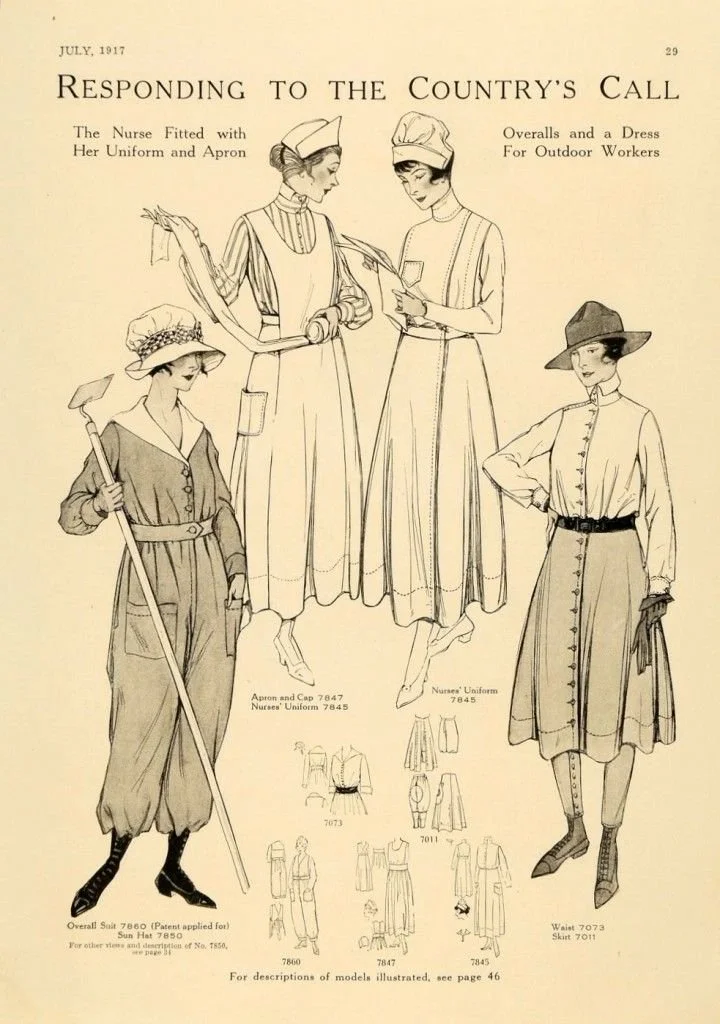
McCall’s, July 1917
1918 sees the Spanish Flu Pandemic, which kills over 22 million people; the Romanov royal family is murdered by the Bolsheviks; Clara’s future husband Carl ships out with the Army in October of that year; and the Armistice is signed on November 11, signaling the (unofficial) end of the WWI.
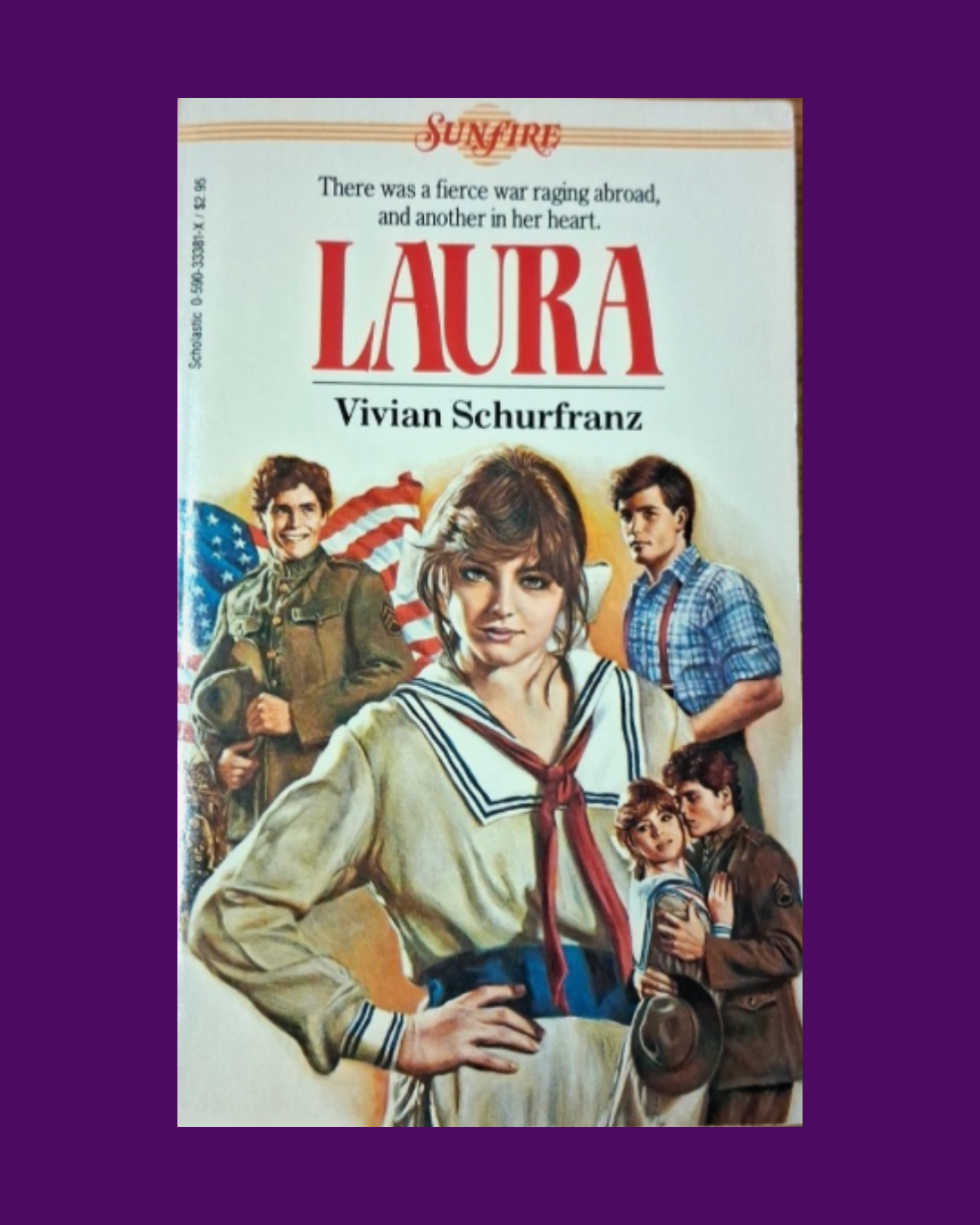
In 1919, the Treaty of Versailles is signed, officially ending WWI; America goes through a “Red Scare”, with widespread fear of radicalism, race riots, and labor strikes in the U.S.; and Clara’s future husband (I would love to know if they were sweethearts before or after the war??) is discharged from the war in May.
In 1920, (white) women gain the right to vote in the U.S. with the 19th Amendment; the League of Nations is officially formed, D.W. Griffith directs Way Down East, which becomes one of the highest-grossing films of the entire silent era; F. Scott Fitzgerald debuts with This Side of Paradise; Agatha Christie publishes her first mystery, The Mysterious Affair at Styles; and the 18th Amendment goes into effect, ushering in the age of Prohibition. Frances Marion defines a social and fashion movement with his film The Flapper, andF. Scott Fitzgerald also ushers in the bob craze with his The Saturday Evening Post short story, “Bernice Bobs Her Hair”.
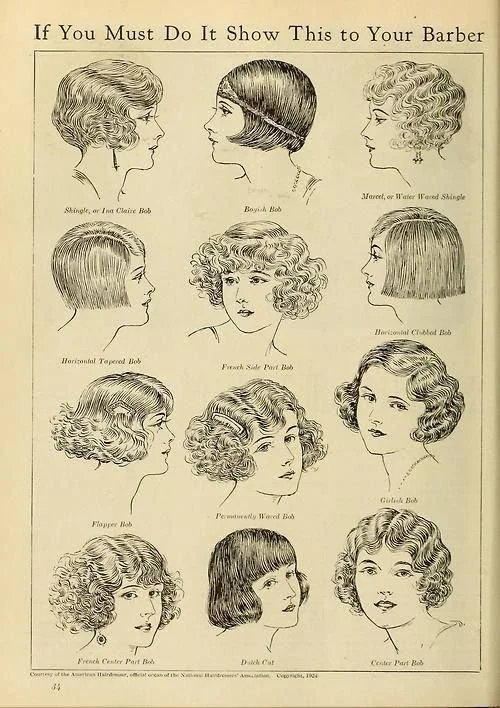
1921 sees Rudolph Valentino becoming a worldwide sensation with his breakout role as Julio inThe Four Horsemen of the Apocalypse and his “Latin Lover” icon status cemented with The Sheik. Charlie Chaplin releases his first full-length feature The Kid; The Irish War of Independence ends with a truce in July; and fascist ruler Benito Mussolini assumes power in Italy.
In 1922, an Irish Free State is formally established; Robert J. Flaherty’s Nanook of the North debuts as the first commercially successful feature-length documentary; Egypt’s independence from Great Britain is recognized; James Joyce’s Ulysses, T.S. Eliot’s The Waste Land and F. Scott Fitzgerald’s The Beautiful and Damned are released; and Clara marries her Hunk & a Half Carl on November 8, 1922!
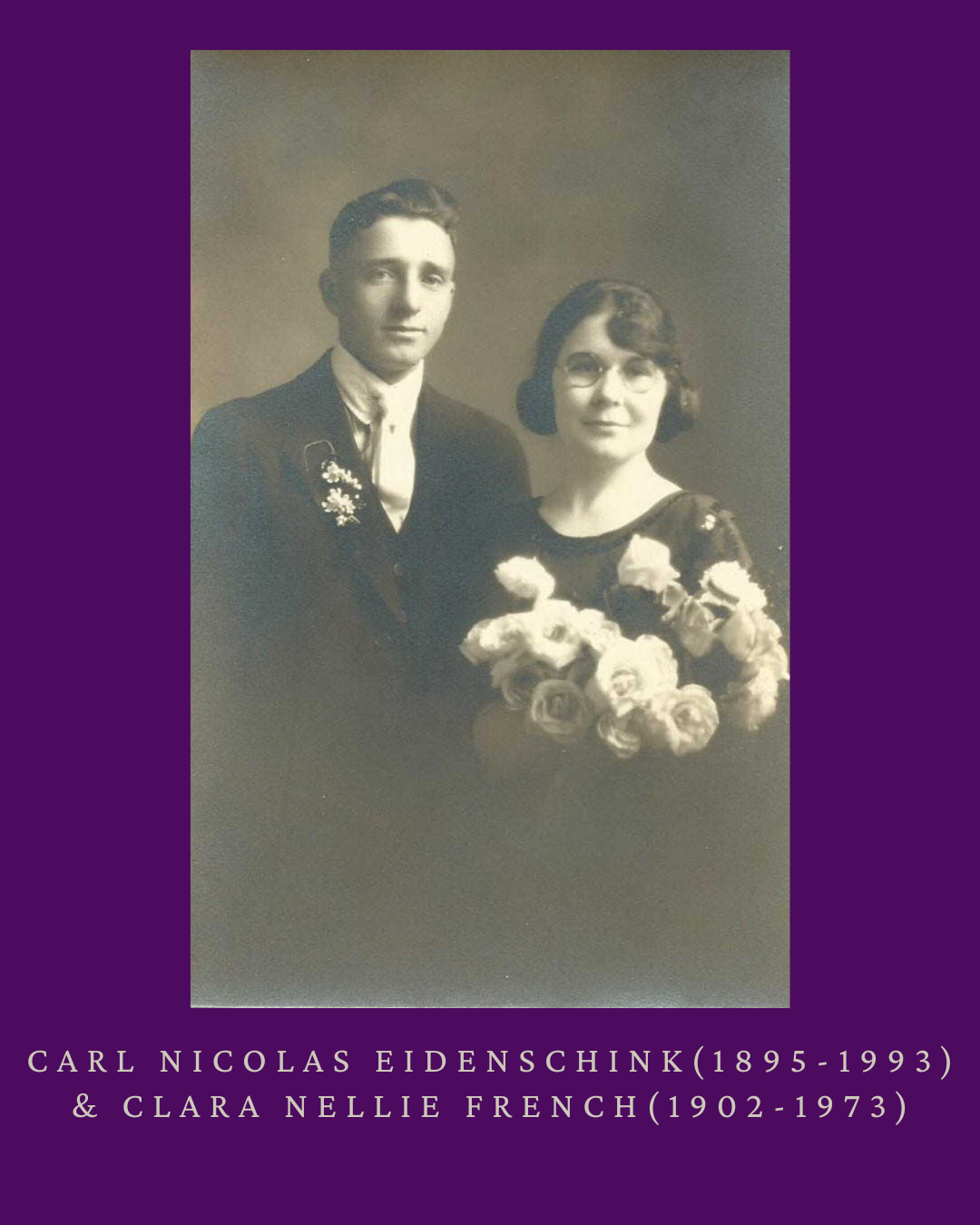
…and then only ten months and a week later, my grandmother Gladys was born.
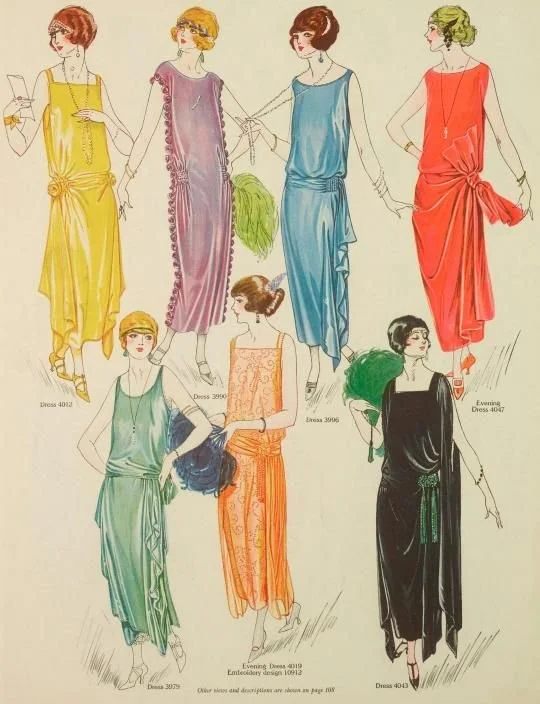
Fun fact - I tried to find maternity clothing ads or fashion spreads in magazines like Ladies Home Journal, etc, but much like Regency Empire waist dresses, the slouchy fashions in 1922-1923 (this is from The Delineator’s 1922 November issue) already lent themselves to maternity. But I also love this image because it gives a loose idea of the dress Clara is wearing in her wedding photo above.
Clara and Carl would go on to have four more children:
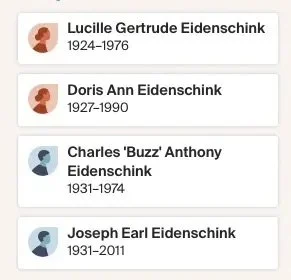
Also according to the records I’ve been able to reference, Charles and Joseph were twins (both were born on February 22)! I had no idea that we had twins in our family history!
Also check out this Indian Census Roll from 1931, where Clara and her daughters Gladys (my grandmother) and Lucille are listed:

Clara belonged to the White Earth tribe via her mother Mary - we’ll discuss this more when we get to Mary’s chapter!
Clara would spend the rest of her life in her hometown area of Detroit Lakes. Even though I have so many ancestors on both sides of my family who grew up or lived in Detroit Lakes (including Clara’s parents, who helped pioneer + settle the town), I really don’t have any sort of reference point for it. It just a town that I heard my grandparents and relatives refer to all the time as the big town they’d drive to for things they couldn’t get in their rural townships. I didn’t even realize what a big history it had as a vacation lake town or a party town until I was an adult, and even then I was like, “this town? This lake town in the middle of nothing but farmland…? This is where you wanna take a vacation…?”
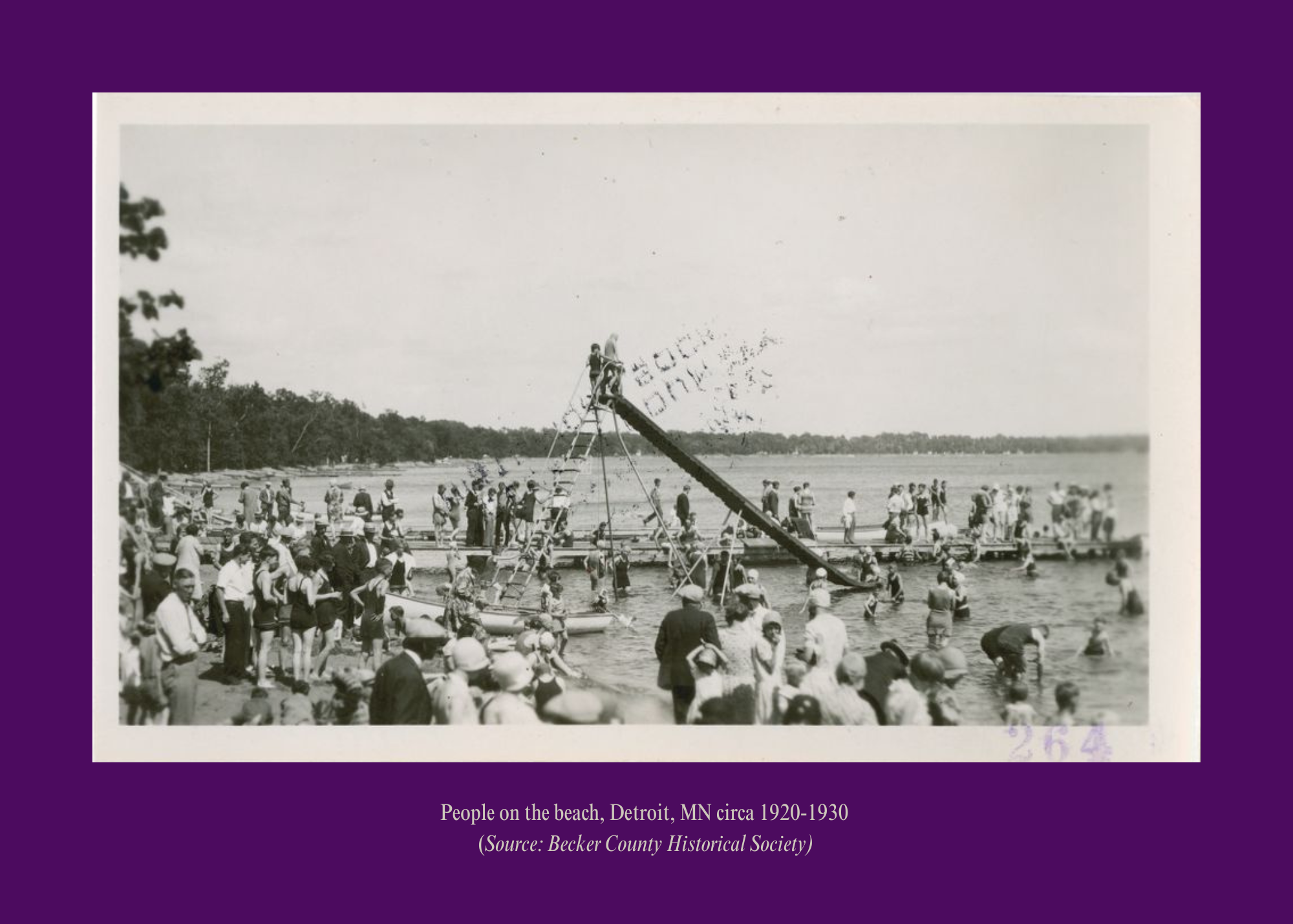
Yeah, I’m a jerk sometimes!
But now I look back on how, when I was 19, I dropped out of college and moved to Okoboji, Iowa, to work at a camp there. And reader? I HATED it. I had grown up going to camps that were woodsy, idyllic - the classique type of camps that you saw in the movies. Instead, Okoboji was this sprawling, suburban-looking vacation lake town that people from Iowa, South Dakota, and Nebraska apparently thought was the coolest place on Earth. I remember my snobby little 19 year old self was like, “But it’s in IOWA. In the middle of NOWHERE. It’s just three lakes in the middle of flat prairie. IN IOWA.”
Detroit Lakes and Okoboji actually have a lot in common, in that they became huge vacation destinations for surrounding communities and states starting in the early 1900s, and really hit their heydays from the 1920s to about the 1980s, with dozens of lakeside resorts and hotels springing up to meet the summertime tourist boom.
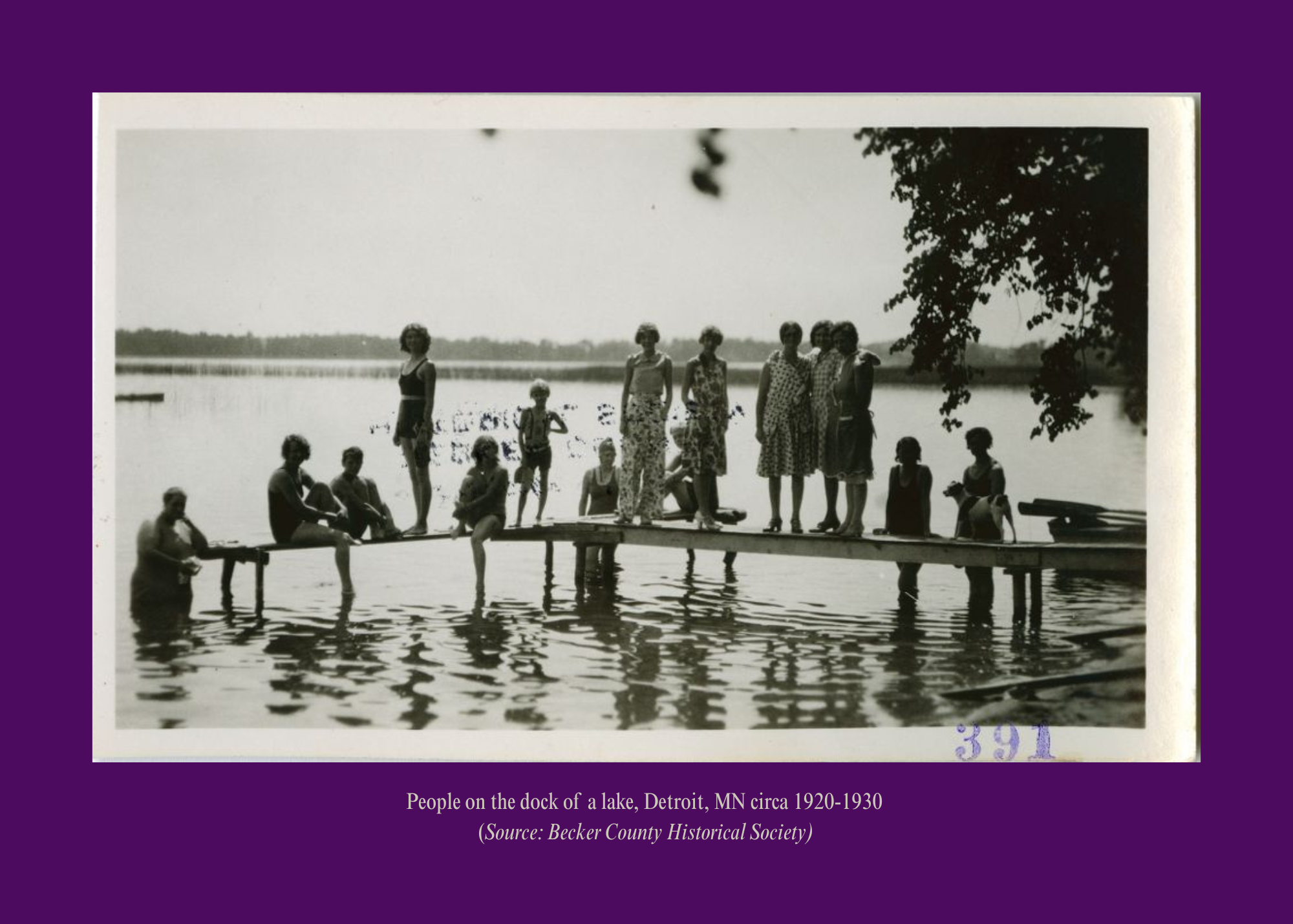
LOVING the style on display in this photo - those pants on the woman in the middle? That two piece “bathing costume” on the woman standing on the left? All of those chic bobs?!
They also have a lot in common in that I’ve never really seen their appeal…but that’s just me! I don’t know if it’s a generational DNA thing or what, but I just have an inherent dislike for flat prairie or rolling farmland, even if that prairie or farmland contains beautiful lakes. That kind of landscape just brings up the same sort of simmering panic that I feel about underground tunnels or crowded elevators - I simply have this primal, inexplicable fear that I’m gonna end up being trapped there forever! No big deal!!!
Anyway, speaking of being trapped forever underground, Great-Grandmother Clara Nellie French passed away on November 3, 1973 at the age of 71.

She left behind Carl and their five children, though their first child and my grandmother, Gladys, would pass away just one year later, dying from cancer at the age of 53. Two years after Clara’s death, her widow Carl would go on to marry Detroit Lakes Township Tramp Tilla Nelson (j/k, I have no idea if she was a tramp, and if she was, then that probably just means she was super fun ), which feels super disrespectful but also considering that he had just lost his wife and his first-born, perhaps the guy was just looking for some comfort and happiness in the midst of his grief.
I RARELY give any man that kind of benefit of the doubt, so if I hear later that Great-Gramps Carl sucked in any way, I’m gonna immediately snatch that back and curse that man out from beyond the grave.
And SCENE!
In the next chapter, we’ll explore the life and ancestry of Clara’s mother, Mary, which will also lead us down the path of Ojibwe heritage and history. Is that going to be complicated? Absolutely yes. Am I also hopeful that it will feel ultimately healing and beautiful and re-connective? Baby, you bet!
Until next time -
Amber